

 Greek
Greek  English
  Spanish
  Russian
  German
  Arabic
  Italian
  Portuguese
  French
  Polish
  Swedish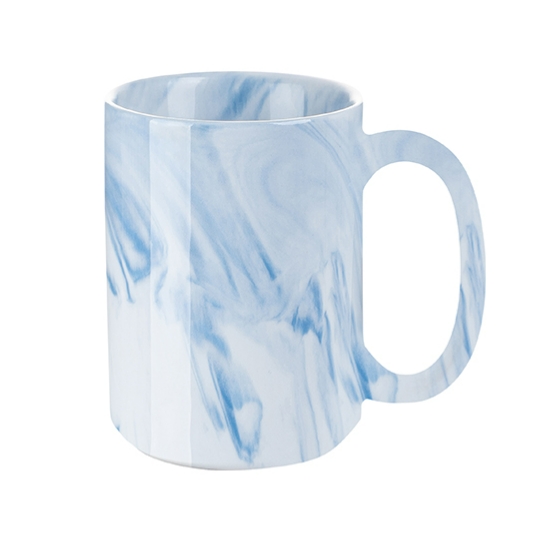
Abstract
The determination of the best coffee cup is a multifaceted inquiry that extends beyond simple utility to encompass material science, sensory perception, and personal ergonomics. This analysis examines the four predominant materials used in coffee cup manufacturing—ceramic, glass, stainless steel, and enamel—through a systematic evaluation of their intrinsic properties. Key evaluative criteria include thermal dynamics (heat retention and transfer), material purity and its effect on flavor integrity, long-term durability and maintenance requirements, and the potential for aesthetic customization, particularly through modern techniques like dye-sublimation. The objective is to provide a comprehensive framework that enables an individual to make an informed decision based on their specific priorities, whether those priorities lie in the optimal sensory experience of a specialty coffee, the rugged portability required for a daily commute, or the sentimental value of a personalized design. By dissecting the functional and qualitative attributes of each material, this guide moves the discussion from a subjective preference to a structured, evidence-based choice for the ideal coffee-drinking vessel in 2025.
Key Takeaways
- Ceramic offers a pure taste and good heat retention, making it a classic choice for home use.
- Double-walled borosilicate glass provides a visually stunning and flavor-neutral experience.
- Vacuum-insulated stainless steel excels in temperature control and durability for travel.
- Understanding your priorities helps in deciding what is the best coffee cup for your lifestyle.
- Enamel cups provide a nostalgic aesthetic with a durable steel core and non-reactive surface.
- Sublimation allows for permanent, vibrant, and full-color customization on coated cups.
Table of Contents
- The Foundational Question: Defining "Best" in a Coffee Cup
- A Comparative Analysis of Four Primary Coffee Cup Materials
- Ceramic: The Classic Vessel of Comfort and Tradition
- Glass: The Connoisseur's Choice for Visual Clarity
- Stainless Steel: The Modern Standard for Portability and Performance
- Enamel: The Rustic Charm of Glass-Fused Steel
- Synthesizing the Data: A Decision-Making Framework
- Beyond the Material: Other Factors in Cup Selection
- The Art and Science of Sublimation Printing on Coffee Cups
- Frequently Asked Questions (FAQ)
- A Final Reflection on the Personal Vessel
- References
The Foundational Question: Defining "Best" in a Coffee Cup
To ask "what is the best coffee cup?" is to pose a question that touches upon ritual, science, and personal preference. The vessel from which we drink our coffee is not merely a container; it is an active participant in the experience. It mediates temperature, influences taste, and conforms to the ergonomics of our hands and lips. The "best" cup, therefore, is not a singular, universal object but rather a conclusion reached when one's individual needs align perfectly with the specific attributes of the material and design of the cup. For one person, the best cup might be one that keeps coffee scalding hot for hours during a winter commute. For another, it might be a vessel that offers the purest possible expression of a delicate single-origin bean, even at the cost of rapid cooling.
To navigate this complexity, we must establish a clear set of criteria for evaluation. A rational framework allows us to move beyond simple declarations of "I like this one" to a more nuanced understanding of why a particular cup succeeds or fails in a given context. We can organize our inquiry around four fundamental pillars:
-
Thermal Properties: This concerns the cup's ability to manage temperature. How quickly does it draw heat from the coffee? How long does it maintain an optimal drinking temperature? How hot does the exterior become to the touch? These are questions of thermodynamics, governed by the material's conductivity and the cup's structural design.
-
Material Purity and Flavor: Coffee is a chemically complex beverage with hundreds of aromatic compounds. An ideal cup should be non-reactive and non-porous, acting as a neutral stage upon which the coffee's flavor can be fully expressed without any "off" tastes or aromas being imparted by the vessel itself.
-
Durability and Longevity: A cup is a daily object, subject to use and misuse. Its resilience against drops, chips, stains, and the rigors of cleaning (be it by hand or by machine) is a practical consideration that affects its value and lifespan.
-
Aesthetics and Customization: This dimension speaks to the human desire for beauty and personal expression. It includes the inherent look and feel of the material, the shape of the cup, and its potential to serve as a canvas for design, art, and identity through processes like sublimation.
By examining our primary materials—ceramic, glass, stainless steel, and enamel—through the lens of these four pillars, we can construct a detailed map of the coffee cup landscape, empowering you to locate the precise point where your own priorities lie.
A Comparative Analysis of Four Primary Coffee Cup Materials
Before delving into a detailed examination of each material, it is helpful to have a high-level overview. The following table provides a snapshot comparison, scoring each material's typical performance across our established criteria. This serves as a quick reference guide to the fundamental trade-offs involved in choosing a coffee cup.
| Feature | Ceramic | Glass (Double-Walled) | Stainless Steel (Insulated) | Enamel |
|---|---|---|---|---|
| Heat Retention | Good to Very Good | Good | Excellent | Fair to Moderate |
| Flavor Purity | Excellent | Excellent | Good to Very Good | Excellent |
| Durability | Fair (Prone to chipping/breaking) | Poor to Fair (Prone to breaking) | Excellent | Good (Can chip, but won't shatter) |
| Weight | Moderate to Heavy | Light to Moderate | Moderate | Light |
| Microwave Safe | Yes (most) | Yes (borosilicate) | No | No |
| Customization | Excellent (Sublimation, printing) | Good (Sublimation, etching) | Very Good (Sublimation, engraving) | Very Good (Sublimation) |
| Primary Use Case | Home, Office, Café | Specialty Coffee Tasting, Home | Commuting, Travel, Outdoor | Camping, Outdoor, Rustic Aesthetic |
This table illustrates that there is no single material that universally excels. The "best" choice is a compromise. Stainless steel offers unparalleled durability and heat retention but is not microwaveable and can, for some palates, subtly affect taste. Ceramic and glass provide the purest flavor experience but are more fragile and less suited for travel. Enamel strikes a balance of durability and flavor purity but offers only moderate insulation.
Ceramic: The Classic Vessel of Comfort and Tradition
When one pictures a coffee cup, the image that most often comes to mind is ceramic. It is the archetypal mug, the familiar, comforting weight in the hand on a quiet morning. Its ubiquity is not accidental; it is the result of a material that possesses a near-ideal combination of properties for enjoying a hot beverage in a stationary environment.
The Science of Heat Retention in Ceramics: Why It Feels Just Right
The thermal performance of a ceramic mug is a function of its mass, thickness, and the specific type of clay and firing process used. Materials like porcelain, stoneware, and earthenware have different densities and porosities, which in turn affect how they handle heat. A thick-walled stoneware mug, for example, acts as a heat sink. Initially, it will draw a significant amount of heat from the coffee, a process you can accelerate by pre-heating the mug with hot water. Once warmed, however, its mass and relatively low thermal conductivity allow it to hold that temperature steadily, releasing the heat slowly into the environment. This results in a drinking window of about 15-20 minutes where the coffee remains pleasantly hot but not scalding—a pace that suits a relaxed drinking experience. It doesn't trap heat with the aggressive efficiency of a vacuum-insulated tumbler, but it prevents the rapid, disappointing cooling that occurs in a simple glass or thin metal cup.
Flavor Integrity: The Ceramic Promise of Purity
Perhaps the most significant virtue of ceramic is its chemical inertness. When properly glazed, a ceramic surface is non-porous and non-reactive. It is, in essence, a thin layer of glass fused to the clay body. This means that it will not absorb flavors or aromas from past coffees, nor will it leach any taste of its own into the beverage. For the coffee purist, this is paramount. The subtle notes of a washed Ethiopian Yirgacheffe or a complex Sumatran Mandheling are presented without interference. The experience is pure, allowing the coffee's origin, roast profile, and brewing method to be the sole determinants of its taste. This is why professional coffee tasters, or "cuppers," use ceramic bowls for their sensory evaluations. They require a completely neutral vessel to make accurate assessments.
Durability and Care: The Lifespan of a Ceramic Mug
The primary vulnerability of ceramic is its brittleness. It does not tolerate sharp impacts well. A drop onto a hard floor will almost certainly result in a chip or a complete shatter. Over time, lower-quality glazes can develop fine cracks (crazing), and the unglazed foot of the mug can be prone to staining. However, in the context of normal household or office use, a well-made ceramic mug is quite durable. It is resistant to scratches from spoons and is typically safe for use in both dishwashers and microwaves, a significant convenience. Its lifespan is less a matter of material degradation and more a matter of careful handling.
The Canvas for Creativity: Sublimation and Personalization
Beyond its functional properties, ceramic is an exceptional medium for personal expression. Its smooth, often white, surface is a blank canvas. While simple screen printing is common, the most advanced and durable method for customization is dye-sublimation. This process is distinct from methods that simply print a layer onto the surface. In sublimation, special inks are printed onto a transfer paper. When this paper is applied to a mug with a special polymer coating and subjected to high heat and pressure, the ink transforms directly from a solid to a gas. This gas then permeates the polymer coating, infusing the design permanently into the surface of the mug (makerflo.com).
The result is a full-color, photorealistic image that will not peel, crack, or fade with washing. It becomes a part of the mug itself. This technology allows for the creation of everything from mugs with family photos to corporate branding to intricate artistic designs. A high-quality 11oz texture sublimation cup, for example, combines the tactile pleasure of a textured surface with the limitless possibilities of sublimation printing, transforming a simple object into a personal statement or a cherished gift.
Glass: The Connoisseur's Choice for Visual Clarity
While ceramic offers comfort and tradition, glass offers elegance and transparency. To drink coffee from a glass cup is to add a visual dimension to the sensory experience. It appeals to the connoisseur who appreciates not just the taste and aroma of the coffee, but also its color, clarity, and the rich texture of its crema.
Thermal Dynamics of Glass: The Challenge of Heat
Standard, single-walled glass is a relatively poor insulator. Its thermal conductivity is higher than that of ceramic, meaning it will draw heat from the coffee more quickly and dissipate it into the surrounding air faster. A hot drink in a simple glass cup will cool rapidly and can make the exterior uncomfortably hot to hold.
However, material science has provided an elegant solution: the double-walled borosilicate glass cup. This design consists of two layers of glass separated by a vacuum or a layer of air. This gap acts as a powerful insulator. Heat transfer through conduction and convection is drastically reduced because there is little or no matter to carry the thermal energy from the inner wall to the outer wall. As a result, the coffee stays hot for a surprisingly long time, while the outside of the cup remains cool to the touch. This innovation transforms glass from a thermally inefficient material into a high-performance one, rivaling ceramic in its ability to maintain temperature.
An Unadulterated Taste: The Purity of Glass
Like ceramic, glass is non-porous and chemically inert. It provides a perfectly neutral vessel for coffee, ensuring that the flavor you experience is precisely the flavor that was brewed. There is no risk of residual tastes from previous drinks or any metallic or plastic notes from the cup itself. For many coffee aficionados, the combination of this flavor purity with the visual element is what makes glass the superior choice. Being able to see the deep, rich brown of a pour-over or the distinct layers of a latte macchiato enhances the ritual and the appreciation of the beverage. It connects the drinker more deeply to the coffee's physical properties.
Fragility and Resilience: Understanding Borosilicate Glass
The obvious drawback of glass is its fragility. It is the most brittle of the four materials we are examining. While the double-walled design is an engineering marvel, it can also be a point of weakness; a sharp knock can break one wall while leaving the other intact, and moisture can sometimes become trapped between the layers if the seal at the bottom fails.
However, not all glass is created equal. Most high-quality double-walled cups are made from borosilicate glass, the same type of glass used in laboratory equipment (like Pyrex). Borosilicate glass is engineered by adding boric oxide to the traditional glass mixture. This significantly lowers the coefficient of thermal expansion. In practical terms, this means it can withstand rapid changes in temperature without cracking. You can pour boiling water into a borosilicate glass cup without the fear of thermal shock causing it to shatter, a risk that is very real with standard soda-lime glass. While it is still susceptible to impact breakage, its resistance to thermal stress makes it far more suitable for daily use with hot beverages.
The Potential of Glass Sublimation
Glass, like ceramic, can be prepared for sublimation printing. By applying a special polymer coating, often a "frosted" finish, the surface becomes receptive to the dye-sublimation process. This allows for the application of vibrant, detailed, and permanent designs onto glass cups. A sublimated glass mug can combine the elegance of the material with a layer of personalization, creating a unique item that feels both modern and personal. The frosted effect diffuses light beautifully and provides an excellent backdrop for colorful logos or intricate patterns, offering a different aesthetic from the glossy finish of a sublimated ceramic mug.
Stainless Steel: The Modern Standard for Portability and Performance
If ceramic is the cup for the home and glass is for the connoisseur, then stainless steel is the cup for the world outside. Its rise in popularity directly mirrors our increasingly mobile lifestyles. The modern stainless steel travel mug is a marvel of consumer engineering, designed to solve two primary problems: temperature retention and durability.
Mastering Temperature: The Engineering of Vacuum Insulation
The thermal performance of a high-quality stainless steel travel mug is unmatched. The secret lies in the same principle as the double-walled glass cup, but executed with a more robust material: vacuum insulation. The mug is constructed from two layers of stainless steel, and the air in the gap between them is pumped out, creating a vacuum. This near-total absence of matter virtually eliminates heat transfer by conduction and convection.
To understand why this is so effective, consider the three ways heat can move:
- Conduction: Heat transfer through direct contact. The vacuum prevents heat from conducting from the inner wall to the outer wall.
- Convection: Heat transfer through the movement of fluids (like air). The vacuum, being empty, has no air to move and create convection currents.
- Radiation: Heat transfer via electromagnetic waves. This is often mitigated by a reflective coating on the inside of the outer wall, which reflects thermal radiation back toward the inner wall.
This tripartite defense against heat loss allows a good insulated mug to keep coffee hot for many hours, far longer than any other type of cup. This makes it the undisputed champion for commuters, travelers, and anyone who wants to sip on a hot coffee over an extended period.
The Question of Flavor: Does Stainless Steel Affect Taste?
The most common critique leveled against stainless steel mugs is the perception of a "metallic taste." This is a valid concern, though its causes are often misunderstood. The issue rarely stems from high-quality, food-grade stainless steel itself (typically 18/8 or 304 grade), which is non-reactive. More often, the metallic taste is a result of one of two things:
- Manufacturing Residues: Cheaper mugs may have residual oils or polishing compounds left over from the manufacturing process. A thorough initial cleaning with baking soda and vinegar can often eliminate this.
- Oxidized Coffee Oils: Coffee oils can build up on the interior of the mug. Over time, these oils can oxidize and become rancid, producing a bitter, metallic flavor that the drinker attributes to the steel itself. Regular, deep cleaning with a specialized coffee equipment cleaner is necessary to prevent this.
For most people, a clean, high-quality stainless steel mug is flavor-neutral. However, a small subset of individuals may be particularly sensitive and still perceive a subtle difference. For these users, some manufacturers offer mugs with a ceramic lining on the inside, attempting to provide the best of both worlds: stainless steel's thermal performance with ceramic's flavor purity.
Built for Life: The Unmatched Durability of Steel
Here, stainless steel is without peer. It is shatter-proof and highly resistant to dents and scratches. You can drop it, toss it in a bag, or take it on a rugged camping trip without fear of catastrophic failure. Its robustness makes it a long-term investment. While a ceramic or glass mug might last for years with careful handling, a stainless steel mug is built to withstand a lifetime of active use. This durability also has positive environmental implications, as a single high-quality travel mug can replace hundreds or even thousands of disposable paper cups.
Customization on a Metal Surface
Stainless steel is an excellent surface for customization. Like specially coated ceramic and glass, it can be prepared for dye-sublimation. This allows for stunning, wraparound, full-color designs that are as durable as the mug itself. The process opens up a world of possibilities for creating branded merchandise, personalized gifts, and unique travel mugs that stand out. Beyond sublimation, stainless steel is also perfectly suited for laser engraving, which etches a design directly into the metal for a sleek, permanent, and tone-on-tone effect. As a leading provider of thermal sublimation transfer consumables, we understand the importance of a quality coating to ensure vibrant and lasting results on metal substrates.
Enamel: The Rustic Charm of Glass-Fused Steel
Enamelware cups occupy a unique and nostalgic niche in the world of coffee mugs. They evoke images of campfires, rustic cabins, and a simpler time. An enamel cup is a hybrid material, consisting of a steel core that is coated with a layer of powdered glass (enamel), which is then fired at a high temperature to create a smooth, durable shell.
A Unique Thermal Profile
The thermal performance of an enamel cup sits somewhere between a single-walled glass cup and a thick ceramic mug. The steel core is highly conductive, meaning it will quickly draw heat from the coffee and the exterior will become quite hot to the touch—hence the classic two-handed grip on a hot enamel mug. However, it is generally thicker than a simple metal cup and holds heat slightly better than basic glass. It is not an insulating cup by any means; your coffee will cool at a steady pace. It is a cup for drinking, not for long-term storage of a hot beverage.
Flavor and Interaction
Because the interior surface of an enamel cup is, for all intents and purposes, glass, it shares the same benefits as ceramic and glass cups in terms of flavor purity. The enamel coating is non-porous and non-reactive, providing a clean, untainted taste. As long as the enamel coating is intact, it will not absorb old flavors or impart any of its own.
The Paradox of Durability
Enamelware presents a fascinating paradox of durability. The steel core is incredibly strong and will not shatter upon impact. You can drop an enamel mug, and it will not break. However, the glass enamel coating is brittle and can chip if dropped on a hard surface. This chipping exposes the steel underneath. If the exposed steel is not dried properly, it can begin to rust.
For many enthusiasts of enamelware, this is not a bug but a feature. The chips and patina that develop over time are seen as part of the cup's character, telling the story of its use and adventures. A chipped enamel mug has a rustic, well-loved appearance that is a key part of its aesthetic appeal. However, for those seeking a pristine, unchanging surface, this tendency to chip can be a significant drawback.
A Nostalgic Aesthetic
The primary reason to choose an enamel cup is for its distinct aesthetic. It is lightweight, durable enough for the outdoors, and has a timeless, vintage feel. It fits perfectly with camping, backpacking, or simply as a charmingly rustic addition to a kitchen. They are also excellent candidates for customization. The smooth enamel surface can be sublimated, allowing for the application of retro-style logos, campsite names, or personalized designs that complement its nostalgic character.
Synthesizing the Data: A Decision-Making Framework
Having analyzed the properties of each material, we can now synthesize this information into a practical guide. The "best" coffee cup is the one that best suits your specific context and priorities. The following table maps common user profiles to the most suitable cup material.
| User Profile | Recommended Material(s) | Key Strengths | Potential Drawbacks |
|---|---|---|---|
| The Coffee Purist | Ceramic, Double-Walled Glass | Unadulterated flavor, excellent sensory experience | Fragility, moderate heat retention (vs. steel) |
| The Daily Commuter | Vacuum-Insulated Stainless Steel | Unbeatable heat retention, extreme durability, spill-proof | Potential for flavor influence, cannot be microwaved |
| The Office Worker | Ceramic | Pure taste, microwave-safe, comfortable handling | Risk of breakage, requires pre-heating for best results |
| The Outdoor Adventurer | Stainless Steel, Enamel | Durability, lightweight (enamel), portability | Enamel can chip, steel can be heavier |
| The Creative Gifter | Sublimation Ceramic/Steel | Limitless design potential, permanent & vibrant image | Requires a quality coated blank for best results |
| The Style-Conscious Taster | Double-Walled Glass | Elegant aesthetic, visual clarity, flavor purity | Most fragile option, potential for seal failure |
Use this framework as a starting point. Consider your daily routine. Where do you drink most of your coffee? Is your primary concern keeping it hot for three hours, or enjoying the nuanced flavors for fifteen minutes? Are you prone to dropping things? Do you value the ability to reheat your coffee in a microwave? Answering these questions honestly will lead you to a clear and logical choice.
Beyond the Material: Other Factors in Cup Selection
While the material is the most significant factor, several other design elements contribute to what makes the best coffee cup for an individual.
Ergonomics and Design: The Feel of the Cup
The physical interaction with the cup is a crucial, often overlooked, aspect of the coffee experience.
- The Handle: Is it large enough for your fingers? Does it balance the weight of the full mug comfortably, or does it create an awkward strain on your hand? Some people prefer mugs with no handle at all, enjoying the direct warmth and connection to the vessel.
- The Lip: The thickness and curve of the rim where it meets your mouth can dramatically affect the drinking experience. A thin, tapered lip can feel more precise and elegant, while a thick, rounded lip can feel more rustic and comforting.
- Weight and Balance: A cup that feels too heavy can be cumbersome, while one that is too light might feel cheap or unstable. The ideal weight provides a sense of substance without being a burden.
Lid Functionality: A Seal of Approval
For any cup intended for travel, the lid is as important as the vessel itself. Lids vary widely in their design and effectiveness. A key distinction is between "spill-proof" and "splash-proof." A true spill-proof lid will have a sealing mechanism that allows you to turn the mug upside down without leaking, while a simpler splash-proof lid is only designed to prevent sloshing during movement. Consider also the ease of cleaning; lids with complex mechanisms can be difficult to disassemble and can harbor old milk and coffee residues.
Environmental and Health Considerations
Choosing a reusable coffee cup of any material is a significant step toward reducing the waste generated by single-use paper and plastic cups. The longevity of the material plays a role here; a durable stainless steel or ceramic mug that lasts for a decade has a much smaller environmental footprint than a less durable alternative that needs frequent replacement. From a health perspective, it is important to ensure that any plastic components, such as lids, are certified BPA-free. High-quality ceramic, glass, and food-grade stainless steel are stable and safe materials for contact with hot beverages.
The Art and Science of Sublimation Printing on Coffee Cups
Throughout this guide, we have mentioned sublimation as a premier method for customization. It is worth taking a moment to understand this process more deeply, as it represents the pinnacle of personalizing a coffee cup.
What is Dye-Sublimation? A Molecular Transformation
Sublimation is a phase transition in physics where a substance changes directly from a solid to a gas, bypassing the liquid state. In dye-sublimation printing, this principle is applied to ink. A design is printed onto special transfer paper using solid, dye-based inks. This paper is then secured to a "sublimation-ready" item—a cup that has been treated with a special polymer coating.
When placed in a heat press, the combination is heated to approximately 400°F (200°C). At this temperature, two things happen simultaneously: the polymer coating on the mug softens and its pores open, and the solid dyes on the paper vaporize into a gas. This dye gas permeates the open pores of the polymer coating. When the heat is removed, the polymer cools, its pores close, and the dye solidifies, now permanently trapped within the surface of the mug (swagify.com).
The Necessary Equipment and Materials
The process requires specialized gear. It begins with a dedicated sublimation printer (often a converted Epson or Ricoh model) filled with sublimation inks. The design is printed onto sublimation transfer paper, which is engineered to release the ink as a gas rather than absorb it. Finally, a mug heat press is used to apply consistent heat and pressure evenly around the surface of the mug, ensuring a flawless transfer (). Preheating the mug before pressing can help ensure an even transfer and prevent cracking from thermal shock ().
Why Choose Sublimation for Custom Mugs?
The advantages of sublimation are significant, especially when compared to older methods like applying vinyl decals or screen printing.
- Permanence: Because the design is infused into the coating, it cannot be scratched off, and it will not peel or crack over time.
- Vibrancy: Sublimation allows for continuous tones, meaning it can reproduce full-color photographs and complex gradients with stunning clarity and vibrancy.
- Ανθεκτικότητα: Sublimated mugs are generally dishwasher and microwave safe (for ceramic mugs), making them as practical as they are beautiful.
- Professional Finish: The process results in a smooth, seamless finish with no perceptible edge to the design, giving the final product a high-quality, professional feel.
This technology transforms a utilitarian object into a medium for art, memory, and identity, making it the ideal choice for personalized gifts, corporate branding, or simply creating a coffee cup that is uniquely your own.
Frequently Asked Questions (FAQ)
What is the best coffee cup material for keeping coffee hot the longest? Vacuum-insulated stainless steel is, by a significant margin, the best material for maximum heat retention. The vacuum layer between the inner and outer walls is an incredibly effective insulator, capable of keeping coffee hot for many hours, far surpassing ceramic, glass, or enamel.
Does a ceramic cup make coffee taste better? A ceramic cup doesn't add a "better" taste, but rather, it provides a neutral canvas that doesn't interfere with the coffee's inherent flavor. Because it is non-porous and non-reactive, it presents the coffee's true taste without any metallic or plastic notes, which is why many coffee purists prefer it for sensory enjoyment.
Are sublimation mugs safe to drink from? Yes, high-quality sublimation mugs are perfectly safe. The process infuses the dye into a special polymer coating on the outside of the mug. The interior of the mug, which comes into contact with the beverage, remains the original food-safe material (ceramic, glass, or stainless steel). The inks and coatings used by reputable manufacturers are tested for safety.
Can you put a stainless steel travel mug in the microwave? No, you should never put any metal, including stainless steel, in a microwave. The metal reflects the microwaves, which can cause arcing (sparks) and can severely damage your microwave oven. It is also ineffective at heating the liquid inside.
How do I prevent my stainless steel mug from having a metallic taste? First, ensure you are using a high-quality, food-grade (18/8 or 304) stainless steel mug. Upon first use, wash it thoroughly with warm, soapy water, and consider a rinse with a mixture of vinegar and baking soda. Most importantly, clean it regularly and thoroughly to prevent the buildup of old coffee oils, which can turn rancid and cause a bitter, metallic flavor.
What is a sublimation cup? A sublimation cup is a mug, typically made of ceramic, glass, or stainless steel, that has been treated with a special polymer coating. This coating is designed to absorb gaseous dye inks under heat and pressure, allowing for the creation of permanent, full-color, photo-quality designs that are infused into the cup's surface.
Is glass or ceramic better for coffee? Both are excellent choices for flavor purity. The choice comes down to aesthetics and thermal properties. Ceramic, being thicker and less conductive, generally retains heat a bit longer than single-walled glass. Double-walled glass, however, offers superior insulation and the unique visual appeal of seeing your coffee.
A Final Reflection on the Personal Vessel
The search for the best coffee cup is, in the end, a deeply personal one. There is no single correct answer, no universal champion. The rugged, hyper-insulating stainless steel tumbler that is a lifeline to a long-haul truck driver is entirely the wrong tool for the coffee connoisseur seeking to appreciate the delicate aroma of a Geisha varietal. The elegant, double-walled glass cup that showcases a perfectly pulled espresso shot would be a liability on a camping trip, where a sturdy enamel mug feels right at home.
The ideal vessel is a reflection of its owner's life and values. It is an object that balances the scientific realities of thermodynamics and material inertness with the tactile, ergonomic, and aesthetic pleasures of a daily ritual. By understanding the distinct strengths and weaknesses of ceramic, glass, steel, and enamel, you are equipped not to find the best coffee cup, but to confidently identify your best coffee cup—the one that will reliably and beautifully deliver your daily coffee, moment after moment.
References
Ink Experts. (2025, January 27). How to sublimate ceramic mugs. Ink Experts.
MakerFlo Crafts. (2025, March 21). What is sublimation printing? Ultimate guide for crafters. MakerFlo. https://makerflo.com/blogs/craft-library/what-is-sublimation-printing-the-essential-guide-for-crafters
PrintKK. (2024, December 19). How to print on a mug: A step-by-step guide. PrintKK. https://www.printkk.com/blog/articles/how-to-print-on-a-mug
Simpson, G. (2024, February 6). What is sublimation printing? Understanding the process and benefits. Swagify. https://www.swagify.com/blog/what-is-sublimation-printing/
Yepes, J. (2024, May 6). Ultimate guide to pressing heat transfer vinyl: Step-by-step tutorial & tips. J-Oto Imaging Supplies. https://jotoimagingsupplies.com/blogs/blogs/ultimate-guide-to-pressing-heat-transfer-vinyl-step-by-step-tutorial-tips
Yepes, J. (2024, August 29). What is sublimation printing? Full beginner’s guide. J-Oto Imaging Supplies.