

 Russian
  English
  Spanish
  German
  Arabic
  Italian
  Portuguese
  French
  Greek
Greek  Polish
  Swedish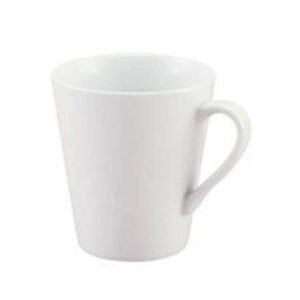
Abstract
This article provides a comprehensive examination of mugs, moving beyond a simple definition to explore their material composition, historical development, and cultural significance. It analyzes eight primary materials used in mug manufacturing: ceramic, glass, metal, bone china, plastic, wood, stone, and bamboo. Each material’s physical properties, aesthetic qualities, and suitability for various applications are discussed in detail. A significant focus is placed on the process of dye-sublimation, a popular method for customization that permanently infuses designs into a mug’s surface. The text outlines the scientific principles behind sublimation, the required equipment, and the step-by-step procedure for personalizing different types of mugs, including color-changing and two-tone varieties. The manufacturing process, from raw material to the application of a sublimation coating, is explained from an industry perspective, emphasizing quality control. The article also considers the role of mugs in commerce and personal expression, concluding with an analysis of future trends in mug design and technology for 2025 and beyond.
Key Takeaways
- Understand the eight primary materials used for mugs to select the best one.
- Learn the scientific process of dye-sublimation for permanent customization.
- Identify the necessary equipment and steps for starting mug personalization.
- Explore different types of specialty mugs like color-changing and two-tone.
- Grasp what are mugs in terms of their cultural and commercial importance.
- Recognize quality control markers in the mug manufacturing process.
- Discover future trends in mug technology and sustainable materials.
Table of Contents
- The Enduring Form: Defining the Mug
- Exploring the Core: The 8 Primary Materials of Mug Construction
- A Comparative Analysis: Choosing the Right Mug Material
- The Art and Science of Sublimation: Personalizing Your Mug
- A Canvas for Creativity: Types of Sublimation Mugs
- The Manufacturing Journey: From Raw Material to Finished Product
- Mugs in Culture and Commerce: Beyond the Breakfast Table
- Future Trends in 2025 and Beyond: The Evolution of the Mug
- Frequently Asked Questions (FAQ)
- Conclusion
- References
The Enduring Form: Defining the Mug
The question, “what are mugs?” seems simple at first glance. We picture a sturdy, handled cup holding our morning coffee or evening tea. Yet, this simplicity belies a rich history and a complex interplay of form, function, and material science. A mug is more than a container; it is an object of daily ritual, a tool for comfort, and a canvas for expression. Its design has been refined over millennia to serve a specific purpose: to hold hot liquids safely and comfortably. To truly understand this ubiquitous object, one must look into its constituent parts, its evolution through time, and the subtle yet meaningful distinctions that separate it from other forms of drinkware.
Beyond a Simple Vessel: The Anatomy of a Mug
At its core, a mug is characterized by a few key features. It typically possesses thick walls, which provide insulation to keep the contents warm while preventing the exterior from becoming too hot to touch. This is a primary functional distinction. The handle is another defining element, designed to allow a secure grip without the user’s hand coming into contact with the heated body of the vessel. The capacity of a standard mug is also generally larger than that of a teacup, usually ranging from 8 to 20 fluid ounces (about 240 to 590 milliliters), catering to generous servings of beverages like coffee, hot chocolate, or soup. The shape is often cylindrical, a form that is stable and efficient to manufacture, though countless variations exist. Together, these elements create an object that is robust, practical, and deeply ingrained in our daily routines.
A Historical Perspective: From Ancient Clay to Modern Design
The lineage of the mug stretches back to the dawn of civilization. The earliest examples, carved from wood or bone, or shaped from clay and fired, date back to the Neolithic period. These primal cups were purely functional. With the advent of metalworking in the Bronze and Iron Ages, materials like bronze, silver, and gold were used to create drinking vessels, though these were often reserved for the wealthy or for ceremonial purposes. Clay remained the people’s choice. The invention of the potter’s wheel revolutionized production, allowing for more uniform and refined shapes. Throughout history, the design evolved. From the wooden tankards of medieval Europe to the delicate porcelain of Ming Dynasty China, the form of the drinking vessel reflected the technology, materials, and cultural values of its time. The modern mug as we know it—a sturdy, ceramic vessel—gained widespread popularity in the 20th century, becoming a staple of households and workplaces.
Mug vs. Cup: A Distinction of Function and Feeling
While all mugs are cups, not all cups are mugs. The distinction lies in both design and context. A teacup, for instance, is typically smaller, more delicate, and made of finer material like porcelain or bone china. It sits on a matching saucer, which serves to catch drips and hold a small spoon. The experience of drinking from a teacup is often associated with formality, tradition, and a more leisurely pace. A mug, conversely, is the workhorse of the drinkware world. Its robust construction speaks to everyday use. It does not require a saucer; it can be set down on a desk, a kitchen counter, or a workshop bench. The feeling it evokes is one of comfort, warmth, and informality. Think of a steaming mug held in both hands on a cold morning versus a teacup held delicately by its handle during an afternoon gathering. The choice between a mug and a cup is often a choice about the kind of moment one wishes to create.
Exploring the Core: The 8 Primary Materials of Mug Construction
The identity of a mug is inextricably linked to the material from which it is made. The choice of material dictates its thermal properties, durability, weight, appearance, and suitability for customization techniques like sublimation. Understanding these materials is the first step toward appreciating the depth and variety available in the world of mugs. As a manufacturer with a decade of experience, we have worked intimately with these substances, learning their unique personalities and capabilities.
Ceramic: The Quintessential Choice
When we ask “what are mugs,” the image that most often comes to mind is a ceramic one. Ceramic is not a single material but a family of materials created by firing clay at high temperatures. The three main types used for mugs are earthenware, stoneware, and porcelain.
- Earthenware: This is one of the oldest forms of pottery. It is fired at relatively low temperatures (around 1,000–1,150°C), resulting in a porous and relatively coarse body. To hold liquid, earthenware must be glazed. It is less durable and more prone to chipping than other ceramics, but it is also inexpensive and offers a rustic charm.
- Stoneware: Fired at a higher temperature (1,200–1,300°C), stoneware is non-porous even without a glaze. This makes it much more durable, chip-resistant, and better at retaining heat than earthenware. It has a heavier, more substantial feel and a classic, earthy look, making it an extremely popular choice for everyday mugs.
- Porcelain: Known for its strength, thinness, and translucency, porcelain is fired at the highest temperatures (up to 1,400°C). It is made from a fine clay called kaolin. While it can feel delicate, high-quality porcelain is very durable and non-porous. It provides a smooth, white, and elegant surface, making it an excellent canvas for detailed decoration.
Glass: Transparency and Elegance
Glass mugs offer a different sensory experience. Watching tea steep or the layers of a latte settle is a simple pleasure that only a transparent vessel can provide. The main types of glass used are soda-lime and borosilicate.
- Soda-Lime Glass: This is the most common type of glass, used for windows, bottles, and everyday glassware. It is less resistant to thermal shock, meaning a sudden, extreme temperature change can cause it to crack. For this reason, glass mugs made from soda-lime glass are typically thick to better withstand the heat of beverages.
- Borosilicate Glass: This is a type of glass that includes boron trioxide, which gives it a very low coefficient of thermal expansion. In simpler terms, it can withstand extreme temperature changes without cracking. This is the same material used for laboratory glassware and high-quality kitchenware (like Pyrex). Borosilicate glass mugs can be made thinner and lighter while remaining very strong and heat-resistant, offering a sleek, modern aesthetic. The clarity of custom glass mugs makes them a unique choice for vibrant, full-color designs.
Metal: Durability for the Modern Age
Metal mugs speak to adventure, travel, and rugged utility. They are virtually unbreakable, making them ideal for camping, commuting, and outdoor activities.
- Stainless Steel: This is the champion of durability and heat retention, especially in double-walled, vacuum-insulated designs. These travel mugs can keep drinks hot or cold for hours. Stainless steel is non-reactive, so it will not impart any taste to the beverage. Its sleek, industrial look is popular in modern design.
- Enamel: Enamel mugs are made by fusing a layer of powdered glass (enamel) onto a metal base, typically steel or aluminum, through firing. This creates a smooth, non-porous surface that is durable and easy to clean. Enamelware has a nostalgic, retro appeal and is lightweight, making it a longtime favorite for camping. However, the enamel can chip if dropped, exposing the metal underneath which may rust.
- Aluminum: Lightweight and inexpensive, aluminum is another option for travel mugs. It often requires a plastic or polymer liner, as bare aluminum can react with acidic beverages and affect the taste.
Bone China: A Touch of Luxury
Bone china occupies a unique space between porcelain and luxury. It is made by adding bone ash (from animal bones) to porcelain clay. This addition makes the final product incredibly strong, chip-resistant, and brilliantly white with a high level of translucency. It allows for very thin-walled, lightweight, and elegant mugs that feel refined and delicate, yet are surprisingly durable for daily use. The name can be misleading; it is a type of porcelain, not china from a bone.
Plastic and Polymer: Practicality and Portability
Plastic mugs are valued for their low cost, light weight, and durability. They are a common choice for children, outdoor events, and promotional giveaways. Modern polymers can be BPA-free, dishwasher-safe, and available in a vast spectrum of colors. Some high-quality polymer mugs are specifically formulated with a coating to accept sublimation printing, offering a lightweight and shatterproof alternative to ceramic for personalized items.
Wood: A Rustic, Natural Appeal
Wooden mugs, or tankards, have a long history, particularly in Northern Europe. They offer a unique, tactile experience and excellent insulation. Materials like oak, birch, or acacia are often used. A wooden mug connects the user to nature and tradition. They require special care; they cannot be put in a dishwasher or microwave and must be properly dried to prevent cracking or mold. They are more of a novelty or specialty item than a daily driver for hot coffee.
Bamboo: The Sustainable Option
As environmental consciousness grows, bamboo has emerged as a popular material for mugs. Often made from a composite of bamboo fiber and a food-safe binder like melamine, these mugs are lightweight, durable, and biodegradable. They represent a move toward more sustainable consumer products. While they are a great eco-friendly choice, it is important to ensure they are from a reputable source that certifies the binder is food-safe and free from harmful chemicals.
A Comparative Analysis: Choosing the Right Mug Material
Selecting the right mug depends on its intended use. Is it for a daily commute, a cozy evening at home, a promotional giveaway, or a personalized gift? Each material offers a different balance of properties. The following table provides a comparison to aid in this decision.
| Material | Heat Retention | Durability | Aesthetic & Feel | Suitability for Sublimation | Average Cost |
|---|---|---|---|---|---|
| Stoneware Ceramic | Good | High (Chip-resistant) | Sturdy, classic, earthy | Excellent (with coating) | Low to Moderate |
| Porcelain | Moderate | High (but can shatter) | Elegant, smooth, thin | Excellent (with coating) | Moderate |
| Bone China | Moderate | Very High (Chip-resistant) | Luxurious, lightweight, translucent | Good (with coating) | High |
| Borosilicate Glass | Fair | Very High (Thermal shock resistant) | Modern, clear, lightweight | Good (with coating) | Moderate to High |
| Stainless Steel | Excellent (especially insulated) | Highest | Rugged, modern, industrial | Possible (with special polymer coating) | Moderate to High |
| Enamel | Fair | Good (but can chip) | Retro, lightweight, rustic | Good (with coating) | Low to Moderate |
| Polymer/Plastic | Poor to Fair | High (Shatterproof) | Practical, lightweight, colorful | Good (with specific polymers) | Low |
| Bamboo Fiber | Fair | Moderate | Natural, lightweight, eco-friendly | Not suitable | Low to Moderate |
This comparison clarifies the trade-offs. For a business focused on personalized gifts, stoneware and porcelain offer the best combination of quality, aesthetic appeal, and printability. For an outdoor supply company, stainless steel or enamel would be more aligned with their brand.
The Art and Science of Sublimation: Personalizing Your Mug
Having explored the physical forms of mugs, we now turn to how they become canvases for art and identity. Dye-sublimation is a transformative process that has revolutionized the personalization industry. It allows for full-color, photorealistic images to be permanently embedded into the surface of a mug. This is not a sticker or a decal that sits on top; the ink becomes part of the mug itself, resulting in a design that will not peel, crack, or fade with use or washing. As a company that specializes in sublimation consumables, we see this process as a beautiful meeting of chemistry and creativity.
What is Sublimation? A Chemical Transformation
The term “sublimation” refers to a specific phase transition in physics where a substance changes directly from a solid to a gas, bypassing the liquid state. In the context of mug printing, this is exactly what happens to the special sublimation inks. Here is a simplified breakdown of the science:
- The Print: A design is printed onto a sheet of specialized sublimation transfer paper using a printer filled with sublimation inks. The ink on the paper is in a solid state, composed of dye particles suspended in a liquid carrier.
- The Application of Heat and Pressure: The paper is taped securely to a sublimation-ready mug (one with a special polymer coating). The mug is then placed in a heat press that applies consistent heat (typically around 180-200°C or 350-400°F) and firm pressure.
- The Transformation: Under this intense heat, two things happen simultaneously. First, the pores of the polymer coating on the mug open up. Second, the solid dye particles on the paper transform into a gas.
- The Infusion: This gaseous dye is then drawn into the now-open pores of the mug’s coating.
- The Cooling: Once the heating cycle is complete, the mug is removed from the press. As it cools, the pores of the polymer coating close, trapping the now-solidified dye permanently within the surface.
The result is a perfectly smooth, high-resolution image that is part of the mug. You can run your finger over it and feel nothing but the mug’s surface. This durability is why sublimation is the preferred method for high-quality, long-lasting personalized products.
The Necessary Tools and Materials for Mug Sublimation
For those looking to enter the world of mug customization, whether as a hobbyist or a professional business, a specific set of tools is required. The initial investment can be modest, and the creative possibilities are nearly endless.
- Sublimation Printer: This is typically an inkjet printer (models from brands like Epson are popular) that has been specifically converted for use with sublimation inks. It should never have been used with regular ink.
- Sublimation Inks: These are special dyes that have the unique property of turning from a solid to a gas when heated.
- Sublimation Paper: This paper has a special coating that holds the ink but then releases it as a gas when heated. Standard copy paper will not work.
- Sublimation-Ready Mugs: This is perhaps the most important element. A mug must have a special polymer coating to accept the sublimation dye. A standard ceramic mug from a department store will not work, as its glaze does not have the pores needed to accept the ink. The quality of this coating is paramount for vibrant, consistent results. This is an area where, as manufacturers, we focus immense effort on quality control. A wide variety of ceramic sublimation mugs are available, from basic white to colored interiors and handles.
- Mug Heat Press: This machine is designed to wrap around a mug and apply uniform heat and pressure. While a convection oven with special mug wraps can also be used, a dedicated mug press provides more consistent results for cylindrical mugs.
- Heat-Resistant Tape: This is used to hold the sublimation paper securely in place on the mug during pressing.
- Heat-Resistant Gloves: Essential for safely handling hot mugs after they come out of the press.
Step-by-Step: The Sublimation Process Explained
The process of sublimating a mug is precise. Time, temperature, and pressure must be carefully controlled to achieve a perfect print. While specific settings can vary slightly depending on the press, paper, and mug, the general workflow is consistent. Preheating the mug is a professional technique that helps ensure an even transfer and reduces the risk of fading at the base of the mug, where the ceramic is denser (Ink Experts, 2025).
The following table outlines a typical workflow for sublimating a standard 11oz ceramic mug.
| Step | Action | Key Details & Considerations |
|---|---|---|
| 1. Design & Print | Create your design in graphic software and print it onto sublimation paper. | Remember to mirror the image before printing. The colors on the paper will look dull; they become vibrant only after pressing. |
| 2. Prepare the Mug | Wipe the mug surface with a lint-free cloth to remove any dust or debris. | For best results, preheat the mug in the press for 20-30 seconds to remove moisture and warm the ceramic. |
| 3. Secure the Transfer | Wrap the printed sublimation paper tightly around the mug, with the printed side against the surface. Secure it with heat-resistant tape. | Ensure the paper is smooth and there are no wrinkles. Even pressure is vital. |
| 4. Press the Mug | Place the mug in the preheated mug press. Close the press to apply pressure. | Typical settings are 190-200°C (375-390°F) for 180-210 seconds. Consult your equipment and blank supplier for exact recommendations. |
| 5. The Reveal | Once the timer finishes, open the press and carefully remove the mug using heat-resistant gloves. It will be extremely hot. | Immediately and carefully peel off the transfer paper. The image is now permanently infused into the mug. |
| 6. Cooling | Place the mug on a heat-resistant surface to cool down completely. | Do not dunk the hot mug in cool water, as the thermal shock could cause it to crack. |
Following these steps with precision is the key to creating professional-quality, beautifully customized mugs every time.
A Canvas for Creativity: Types of Sublimation Mugs
The world of sublimation blanks extends far beyond the standard white mug. As manufacturers, we have developed a diverse range of products to cater to different tastes and applications, allowing for even greater creativity. These specialty mugs can add a “wow” factor to a personalized gift or promotional item.
The Classic White Mug: A Blank Slate
The 11oz or 15oz white ceramic mug is the undisputed king of the sublimation world. Its smooth, glossy white surface provides the perfect, high-contrast background for any design, from a simple logo to a full-wrap photograph. Its popularity stems from its versatility, affordability, and timeless appeal. It’s the standard for a reason: it consistently produces vibrant, true-to-color results.
Color-Changing (Magic) Mugs: A Moment of Wonder
Magic mugs, or color-changing mugs, add an element of surprise and delight. These mugs are coated with a thermochromic (heat-sensitive) black or dark-colored layer. When the mug is cold, it appears to be a solid color, hiding the design underneath. When a hot liquid is poured in, the heat-sensitive layer becomes transparent, magically revealing the sublimated image beneath it. As the mug cools, it returns to its original solid color. This effect is captivating and makes for an unforgettable gift, especially for revealing photos, secret messages, or fun designs.
Two-Tone and Patch Mugs: Adding a Splash of Color
For those who want a bit more personality than a plain white mug, two-tone options are an excellent choice. These mugs are white on the outside printing surface but have a colored interior, handle, or rim. This pop of color can be chosen to complement the colors in the sublimated design, creating a more cohesive and professional-looking product. Patch mugs are similar, but they feature a pre-defined white patch for sublimation on an otherwise colored mug. This creates a framed effect for the design.
Specialty Finishes: Matte, Glossy, and Glitter
The finish of the mug itself can also be a design element. While the standard glossy finish is most common for its vibrancy, a matte finish offers a more subtle, modern, and sophisticated look. The colors on a matte mug appear slightly softer and less reflective. For a truly eye-catching effect, glitter mugs are coated with a finish that incorporates fine glitter particles. When a design is sublimated onto this surface, the image takes on a sparkling, shimmering quality that is impossible to ignore. These specialty finishes expand the creative palette for designers and businesses.
The Manufacturing Journey: From Raw Material to Finished Product
Understanding what are mugs also involves appreciating the industrial process that brings them to life. As a company with our own production workshops, we have a deep, hands-on understanding of this journey. It is a process that demands precision, expertise, and a rigorous commitment to quality at every stage. A seemingly simple ceramic mug is the result of a multi-step, carefully controlled operation.
The Ceramic Process: From Clay to Kiln
The creation of a ceramic mug begins with raw materials: clay, feldspar, quartz, and water.
- Mixing and Forming: These materials are mixed into a liquid slurry. This slurry is then either poured into molds (a process called slip casting) or, for more automated processes, the clay is processed into a workable body and formed by machines that press it into a mug shape, often attaching the handle separately with a bit of liquid clay (slip).
- Drying (Greenware): The newly formed mugs, now called “greenware,” are very fragile. They must be allowed to air dry slowly and evenly to remove most of the water content. Rushing this stage can lead to cracking.
- Bisque Firing: The dried greenware is then loaded into a kiln for its first firing, known as the bisque firing. It is heated to about 1000°C. This firing transforms the fragile clay into a hard, porous ceramic state called “bisque.”
- Glazing: The porous bisque mug is then dipped into, or sprayed with, a liquid glaze. This glaze is essentially a mix of silica (which forms glass), fluxes (to lower the melting point), and stabilizers. For sublimation mugs, this glaze is a specialized polymer-based formula.
- Glost Firing: The glazed mug goes back into the kiln for a second, higher-temperature firing, called the glost firing. This melts the glaze into a smooth, non-porous, glass-like layer that fuses to the ceramic body. The quality and evenness of this coating are absolutely paramount for sublimation.
Applying the Sublimation Coating: A Crucial Step
The “magic” of a sublimation mug lies entirely in its coating. A standard ceramic mug’s glaze will not work. We operate three dedicated thermal sublimation spraying lines to apply our proprietary polymer coating. This is the most critical stage for producing a high-quality sublimation blank.
The coating must be:
- Perfectly Even: Any drips, runs, or thin spots will result in blotchy or faded areas in the final sublimated print.
- Durable: It must be able to withstand the heat and pressure of the press, as well as repeated washing, without degrading.
- Chemically Receptive: It must be formulated to open its pores at the correct temperature and accept the gaseous dye.
- Clear and Flawless: It should not yellow or discolor the white surface of the mug, ensuring true and vibrant color reproduction.
Our complete quality control process involves inspecting personnel, equipment, raw materials, and the workshop environment to ensure this coating is applied flawlessly to every single mug.
Quality Control in Mug Production: Ensuring Excellence
Throughout the production process, quality control is not a single step but a continuous philosophy. We inspect mugs at every stage:
- Post-Forming: Checking for deformities, cracks, or imperfections in the greenware.
- Post-Bisque Firing: Tapping the bisque to listen for the clear ring that indicates a solid, crack-free piece.
- Post-Glazing: Visually inspecting for even glaze application before the final firing.
- Final Inspection: After the glost firing, each mug is inspected for pinholes in the glaze, cracks, color inconsistencies, and surface blemishes. Mugs are graded, and only those that meet international A-grade standards are passed for sale.
This rigorous process ensures that the mugs that reach our customers are not just vessels, but reliable, high-quality canvases ready for their creative vision.
Mugs in Culture and Commerce: Beyond the Breakfast Table
The mug has transcended its utilitarian origins to become a powerful object in culture and commerce. It is a fixture of office life, a medium for marketing, and a token of personal affection. Its simple, functional form has become a platform for communication, identity, and connection.
Mugs as Promotional Tools: Branding in Hand
For businesses, the promotional mug is a highly effective marketing tool. Unlike a fleeting digital ad or a disposable flyer, a mug is a useful item that becomes integrated into a person’s daily routine. Every time a client or employee reaches for that branded mug for their morning coffee, they are interacting with the brand. It sits on their desk for hours a day, providing a constant, subtle brand impression. A well-designed, high-quality mug is kept and used for years, offering an incredible return on investment for brand visibility. The ability to print full-color logos, taglines, and even photographs via sublimation makes the mug an exceptionally versatile promotional product.
The Mug as a Personal Statement and Gift
On a personal level, the mugs we choose to use say something about us. They might feature a quote from a favorite book, a piece of art we admire, a photo of a loved one, or a humorous slogan that reflects our personality. The “World’s Best Dad” mug is a cultural cliché for a reason: mugs are a go-to vehicle for expressing affection, appreciation, and inside jokes. They are a popular souvenir item, capturing a memory of a place visited. The act of creating a personalized mug for someone—selecting a photo, crafting a message—is an act of thoughtfulness. The finished product is a unique, one-of-a-kind object that carries emotional weight.
Collectibility and Niche Markets
For some, mugs are more than just drinkware; they are collectible items. Enthusiasts may collect mugs from specific coffee chains (like Starbucks’ city mugs), mugs featuring characters from a particular movie franchise, or mugs made by a certain artist or pottery studio. This has created numerous niche markets. Online marketplaces are filled with mugs catering to every possible hobby, profession, and fandom, from knitting to quantum physics. This demonstrates the mug’s remarkable ability to serve as a canvas for hyper-specific cultural and personal identities.
Future Trends in 2025 and Beyond: The Evolution of the Mug
The humble mug continues to evolve. As we look toward the near future, several trends are shaping its development, driven by technology, environmental concerns, and a growing desire for deeper personalization. In 2025, the answer to “what are mugs?” will include concepts that sound like science fiction today.
Smart Mugs and Integrated Technology
The “Internet of Things” is entering the kitchen. Smart mugs are already on the market, featuring integrated heating elements and batteries that can keep a beverage at a precise, user-selected temperature for hours. Controlled via a smartphone app, these mugs represent the pinnacle of beverage–sipping luxury. In the coming years, we can expect this technology to become more affordable and widespread. Future iterations might include features like hydration tracking, caffeine intake monitoring, or even LED screens that can display changing images or notifications.
Sustainable Materials and Eco-Friendly Production
Environmental consciousness is a powerful driver of consumer choice. There is a growing demand for products made from sustainable materials and through eco-friendly processes. In the world of mugs, this translates to increased popularity for materials like bamboo, recycled glass, and ceramics made in facilities that prioritize water conservation and energy efficiency. Consumers are becoming more interested in the lifecycle of their products, from raw material sourcing to end-of-life biodegradability or recyclability. Manufacturers are responding by innovating with greener materials and more transparent production methods.
Hyper-Personalization and On-Demand Printing
The trend of personalization will only deepen. While sublimation already offers incredible creative freedom, future technologies may push this even further. Imagine on-demand printing kiosks where a customer can design a mug and have it printed in minutes. Advances in digital printing and coating technologies could enable textures, metallic foils, and other special effects to be applied as easily as a standard image. The move will be toward “hyper-personalization,” where products are not just customized but are truly co-created by the consumer, resulting in an object that is utterly unique to them. The mug will continue to be a powerful symbol of individuality in a mass-produced world.
Frequently Asked Questions (FAQ)
What is the best material for a coffee mug?
The best material depends on your priorities. For maximum heat retention, a double-walled, vacuum-insulated stainless steel mug is unmatched. For everyday use at home or in the office, a ceramic stoneware mug offers a great balance of heat retention, durability, and classic feel. For elegance and a lighter weight, porcelain or bone china are excellent choices.
Can you sublimate on any ceramic mug?
No, you cannot. A mug must have a special polymer coating to be used for sublimation. A standard mug purchased from a regular store lacks this coating, and the sublimation ink will have nothing to adhere to, resulting in the image simply wiping off. Always purchase mugs specifically sold as “sublimation blanks.”
Is sublimation on mugs permanent?
Yes, the sublimation process creates a permanent, full-color image that is infused into the mug’s coating. It is dishwasher and microwave safe, and the design will not peel, crack, or fade under normal use. The image becomes part of the mug’s surface itself.
What is the difference between a magic mug and a regular mug?
A regular sublimation mug has a design that is always visible. A magic mug is coated with a heat-sensitive black or dark-colored layer that hides the sublimated design. When you pour a hot liquid into the mug, this outer layer becomes transparent, revealing the image underneath as if by magic.
Why do some sublimated mugs have faded spots?
Faded or blotchy spots on a sublimated mug are almost always due to one of three issues: uneven pressure from the heat press, inconsistent heat, or a poor-quality sublimation coating on the mug itself. Using a high-quality, evenly coated mug and a properly calibrated heat press is essential for flawless results.
How do I care for my sublimated mug?
Sublimated mugs are highly durable. They are generally safe for both the top rack of a dishwasher and the microwave. To ensure the longest possible life for the vibrant image, hand-washing is always the gentlest option, but they are designed to withstand normal household dishwashing cycles.
Can you print on the inside or on the handle of a mug?
Standard mug sublimation is done on the outer cylindrical surface of the mug. Printing directly on the handle or on the inside of the mug is not possible with a traditional mug press. However, some two-tone mugs feature pre-colored handles and interiors to add a splash of color that complements the main design.
What causes a sublimated image to look blurry or “ghosted”?
A blurry or “ghosted” image (a faint double image) is typically caused by the sublimation paper shifting slightly during the pressing or cooling process. It is vital to tape the paper down securely and to remove the paper immediately and cleanly after pressing, without letting it slide across the hot surface.
Conclusion
The mug, in its many forms, is a testament to the elegance of functional design. It is an object shaped by millennia of human need and refined by centuries of technological advancement. From the humble earthenware of our ancestors to the smart mugs of tomorrow, its core purpose remains: to provide a moment of warmth, comfort, and personal ritual. Understanding what are mugs requires looking beyond the object itself to the materials that form it, the science that personalizes it, and the cultural roles it fulfills. It is a simple vessel that holds our favorite beverages, but it also holds our memories, our brand identities, and our personal expressions. As manufacturers and artisans, we see each blank mug not as an empty container, but as a world of potential—a durable, beautiful canvas waiting for a story to be told.
References
BestSub. (2025a). Elegant full color mug with better sublimation printing from BestSub. BestSub. https://www.bestsub.com/new-products/full-colour-mugs.html
BestSub. (2025b). Sublimation ceramic jar and glass candle holder from BestSub. BestSub. https://www.bestsub.com/new-products/ceramic-jar-glass-candle-holder.html
BestSub. (2025c). Color ceramic mugs (J.S® Coatings). BestSub.
Ink Experts. (2025). How to sublimate ceramic mugs. Ink Experts.
Top Sublimation Printer. (2024). Ceramic mug sublimation time and temp: Best guide (10 steps). https://topsublimprinter.com/ceramic-mug-sublimation-time-and-temp/
XTool. (2025). What is sublimation paper? How to use it? XTool Academy. https://www.xtool.com/blogs/xtool-academy/what-is-sublimation-paper?srsltid=AfmBOoq3-YLu0TcWmL75lNJcNJ4c7Gj8rn8ZNVpuB2VnaKQj6fmnILwM
AGC Education. (2024). Everything you need to know about making sublimation mugs. AGC Education. https://www.agceducation.com/everything-you-need-to-know-about-making-sublimation-mugs/