

 Swedish
  English
  Spanish
  Russian
  German
  Arabic
  Italian
  Portuguese
  French
  Greek
Greek  Polish
 Abstract
Selecting an appropriate sublimation mug supplier is a foundational decision for businesses engaged in the personalized products industry, with significant implications for product quality, brand reputation, and operational efficiency. This analysis examines the multifaceted process of supplier selection, moving beyond superficial cost metrics to a more holistic evaluation. It investigates seven critical factors: the verification of manufacturing processes and quality control systems; the depth and quality of the product catalog; the supplier’s capabilities for Original Equipment Manufacturer (OEM) and Original Design Manufacturer (ODM) services; the robustness of the supply chain and logistics framework; the quality of communication and customer support; the transparency of pricing and total cost of ownership; and the supplier’s industry experience and certifications. The inquiry argues that a truly effective partnership is built not on a single attribute but on a supplier’s demonstrated capacity for consistency, innovation, and reliability across all these domains. By adopting a structured, evidence-based approach, businesses in the USA, Europe, and Russia can mitigate risks and forge a strategic alliance that supports long-term growth and success in the competitive custom printing market.
Key Takeaways
- Vet manufacturing processes and quality control for consistent, flawless products.
- Assess product range depth, from ceramic to metal sublimation items.
- Verify a supplier’s OEM/ODM capabilities for unique, custom projects.
- Analyze logistics to ensure timely and cost-effective international delivery.
- Prioritize clear communication and responsive support for a smooth partnership.
- Understand the full cost, not just the per-unit price.
- Answering “How do I choose the right sublimation mug supplier?” requires checking their experience.
Table of Contents
- Factor 1: Verifying Manufacturing Excellence and Stringent Quality Control
- Factor 2: Assessing the Depth and Quality of the Product Catalog
- Factor 3: Evaluating OEM/ODM Customization Capabilities
- Factor 4: Deconstructing the Supply Chain and Logistics Framework
- Factor 5: Analyzing Communication, Transparency, and Customer Support
- Factor 6: Scrutinizing Pricing Structures and Total Cost of Ownership
- Factor 7: The Importance of Experience, Reputation, and Certifications
- Frequently Asked Questions (FAQ)
- Conclusion: Forging a Strategic Partnership
- References
Factor 1: Verifying Manufacturing Excellence and Stringent Quality Control
The journey to answer the question, “How do I choose the right sublimation mug supplier?” begins not with a price list or a catalog, but deep within the heart of the manufacturing facility. The physical object—the mug—is the canvas for your art, the vessel for your customer’s morning coffee, and the tangible representation of your brand. Its integrity is paramount. A supplier’s commitment to manufacturing excellence is not merely a talking point; it is the bedrock upon which a successful sublimation business is built. This commitment manifests in a meticulous, almost philosophical, attention to detail across the entire production chain, from the procurement of raw materials to the final inspection before packaging. A supplier who treats manufacturing as a craft, rather than a mere assembly line, is one who understands the intrinsic value of quality.
To truly grasp this, we must move beyond the surface. It is insufficient to simply accept a supplier’s claim of “high quality.” Instead, a discerning buyer must become an investigator, probing the specifics of their processes. This involves understanding the interplay of four key elements that dictate the final quality of a sublimation mug: the personnel, the equipment, the raw materials, and the production environment. A weakness in any one of these areas can cascade through the entire process, resulting in defects that may not be apparent until your customer receives a flawed product. Therefore, a deep dive into the supplier’s quality control (QC) and manufacturing ethos is not just due diligence; it is a fundamental act of brand preservation.
The Soul of the Mug: Raw Material Selection and Preparation
The life of a ceramic mug begins as earth and water. The quality of the clay, or kaolin, feldspar, and quartz mixture, is the first determinant of the final product’s character. A superior supplier does not source their ceramic body from the cheapest bidder. They establish relationships with reputable sources, ensuring the raw materials have consistent properties: particle size, plasticity, and chemical composition. Inconsistencies here can lead to a host of downstream problems, such as cracking during firing, variations in size and shape, or poor glaze adhesion. A prospective partner should be able to articulate their sourcing strategy for raw materials. Can they provide data on the consistency of their ceramic slurry? Do they perform incoming material inspections?
Once sourced, the preparation of the ceramic body is a science. The mixing, milling, and de-airing processes must be precisely controlled. Think of it like baking a fine pastry; a small deviation in the recipe or mixing technique can ruin the entire batch. De-airing, for example, removes air bubbles from the clay slurry. Inadequate de-airing results in microscopic voids within the ceramic wall, creating weak points that can lead to fractures during the high-temperature firing process or even later, when the consumer pours hot liquid into the mug. A sophisticated manufacturer will use vacuum pug mills to ensure a dense, homogenous clay body, which is the foundation for a durable, long-lasting mug.
The glaze, the smooth, glassy surface of the mug before the sublimation coating is applied, also depends on high-quality raw materials. The formulation must be compatible with the ceramic body to prevent issues like crazing (a fine network of cracks in the glaze) or crawling (where the glaze pulls back from the surface during firing). A supplier should be transparent about their glazing process and the quality checks they have in place to ensure a flawless, blemish-free surface upon which the sublimation coating will be applied.
The Science of the Surface: Sublimation Coating Technology
The sublimation coating is the most critical element for a printing business. This is the specialized polymer layer that receives the sublimated ink, and its quality directly dictates the vibrancy, sharpness, and longevity of the final print. A poor coating leads to dull colors, blurry images, fading over time, and a dissatisfied customer. The question “How do I choose the right sublimation mug supplier?” often hinges on the quality of this invisible layer.
There are significant differences in coating formulations and application methods. A top-tier supplier invests in research and development to create a proprietary coating formula that optimizes for hardness, clarity, and ink receptivity. The polymer chemistry must be precise to ensure that under the heat and pressure of the sublimation press, the coating’s micropores open to accept the gaseous ink and then close tightly as it cools, permanently trapping the image within the surface. This is what creates a print that is dishwasher-safe and resistant to scratching.
The application process is just as important. The most advanced suppliers use automated spraying lines in a controlled, dust-free environment. This ensures an even, consistent thickness of the coating across the entire mug surface. Ask a potential supplier about their application method. Is it done by hand-dipping, which can lead to drips, runs, and uneven thickness? Or do they use multi-axis robotic sprayers that guarantee uniformity? The thickness of the coating is measured in microns, and even a slight variation can cause noticeable differences in color output. A reliable manufacturer will use tools like a coating thickness gauge as part of their regular QC checks.
After application, the coating must be cured. This involves baking the mugs at a specific temperature for a precise duration. Under-curing results in a soft coating that scratches easily, while over-curing can make it brittle or yellowed, affecting the whiteness of the mug and the final print colors. The supplier’s ovens must have excellent temperature uniformity to ensure every mug in a batch is cured identically. Inquire about their curing process and the tolerances they maintain. A supplier confident in their process will have no issue discussing these technical details.
The Crucible of Quality: Firing and Inspection
The firing process transforms the soft, fragile clay into hard, durable ceramic. This is done in large industrial kilns where temperatures can exceed 1200°C (2200°F). The heating and cooling cycles, known as the firing curve, must be meticulously controlled. Firing too quickly can cause thermal shock, leading to cracks. Firing at the wrong peak temperature can result in an under-fired, porous body or an over-fired, brittle one. A leading manufacturer uses computer-controlled kilns to manage these curves with high precision, ensuring every mug achieves the desired vitrification and strength.
Quality control should not be a single event at the end of the line but a continuous process integrated into every step. A robust QC system includes:
- Incoming Material Inspection: Testing raw clay and glaze materials.
- In-Process Inspection: Checking mug dimensions and weight after forming, inspecting for surface defects after glazing, and measuring coating thickness after application.
- Post-Firing Inspection: A rigorous visual check of every single mug. Inspectors are trained to look for dozens of potential flaws: pinholes (tiny holes in the glaze), black spots, chips, cracks, glaze inconsistencies, and handle misalignment. Mugs are often graded based on this inspection.
- Performance Testing: Random samples from each batch should undergo performance tests. This includes a sublimation test print to check for color vibrancy and image clarity, a dishwasher test (e.g., 50 cycles) to check for coating durability and fade resistance, and a tape test (applying and ripping off strong adhesive tape) to ensure the coating has proper adhesion.
A supplier should be able to provide you with their QC process document. Better yet, a factory visit or a detailed virtual tour can offer invaluable insight into their commitment to quality. Seeing the clean, organized workshops and the diligent inspectors firsthand provides a level of confidence that a datasheet cannot. When you ask “How do I choose the right sublimation mug supplier?”, the answer lies in finding a partner whose definition of quality aligns with your own high standards.
The table below offers a practical checklist for evaluating a supplier’s manufacturing and quality control capabilities. It is a tool for structuring your inquiry, ensuring you cover all the critical aspects that contribute to a superior product.
| Area of Evaluation | Key Questions to Ask | What to Look For (Green Flags) | What to Avoid (Red Flags) |
|---|---|---|---|
| Raw Materials | Where do you source your ceramic clay and glaze? What are your standards for these materials? | Clear sourcing strategy, long-term supplier relationships, incoming material inspection reports. | Vague answers, focus on lowest cost, no incoming QC process. |
| Mug Forming | What method do you use for forming the mugs (e.g., jiggering, casting)? What are your tolerances for size and weight? | Automated or semi-automated processes for consistency, tight dimensional tolerances. | Purely manual processes for high volume, large variations in sample dimensions. |
| Coating Technology | Can you describe your sublimation coating formula and application process? What is the target coating thickness? | Proprietary formula, automated spraying lines in a clean-room environment, specific thickness targets. | Hand-dipping, dusty environment, inability to specify coating thickness or consistency. |
| Curing & Firing | What type of kilns/ovens do you use? How do you control the firing/curing curve? | Computer-controlled tunnel kilns/ovens, documented temperature profiles, focus on uniformity. | Outdated manual kilns, lack of precise temperature control, inconsistent firing results. |
| Quality Control | Can you walk me through your QC process from start to finish? What is your defect rate? How do you grade mugs? | Multi-stage inspection, documented standards, clear grading system (e.g., AAA Grade), performance testing. | End-of-line inspection only, no clear standards, unwillingness to share defect rates. |
| Environment | How do you maintain a clean production environment, especially for coating application? | Dedicated clean rooms, dust extraction systems, organized and tidy workshops. | Visible dust and debris in production areas, disorganized and cluttered workspaces. |
Factor 2: Assessing the Depth and Quality of the Product Catalog
Once you have gained confidence in a supplier’s manufacturing soul—their commitment to quality control and process excellence—the next logical step is to explore the body of their work: their product catalog. A supplier’s range of products is more than just a list of items for sale; it is a reflection of their market awareness, their investment in technology, and their capacity to serve as a one-stop solution for your growing business. A narrow, stagnant catalog may indicate a supplier that is unwilling or unable to innovate, potentially leaving you at a disadvantage as market trends evolve. Conversely, a deep, diverse, and high-quality catalog suggests a forward-thinking partner invested in your success.
The evaluation of a product catalog should be two-pronged. First, you must assess the breadth—the variety of different types of sublimation blanks offered. Second, and equally important, you must assess the depth and quality within each category. It is not enough for a supplier to simply list “colored mugs”; they must offer a range of consistent, vibrant colors with coatings that perform as well as their classic white mugs. This dual focus on variety and quality ensures that as your business expands and your creative ambitions grow, your supplier can grow with you.
Beyond the Standard White Mug: Exploring Variety
The classic 11oz white ceramic mug is the undisputed workhorse of the sublimation world. It is the starting point for most businesses and remains a perennial bestseller. A supplier’s ability to produce a flawless, bright-white, AAA-grade 11oz mug is a non-negotiable prerequisite. However, a truly valuable supplier offers a world beyond this standard. The ability to offer your customers unique and interesting products is a key differentiator in a crowded market. When examining a catalog, consider the following categories:
- Ceramic Mugs: This is the core category, but look for diversity within it. Does the supplier offer various sizes (e.g., 10oz, 12oz, 15oz, 17oz)? Do they have different shapes, such as latte mugs (tapered), campfire mugs, or mugs with unique handle designs? What about specialty ceramic items? A diverse range of ceramic sublimation mugs is a strong indicator of a capable manufacturer. This includes options like:
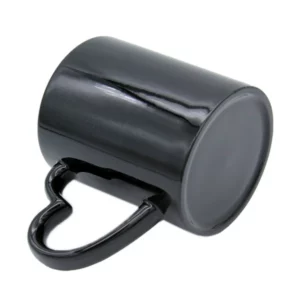
- Inner Color & Handle Color Mugs: These add a pop of color and allow for design coordination, elevating a simple mug into a more premium product.
- Color Changing (Magic) Mugs: These heat-sensitive mugs reveal a hidden image when a hot beverage is added. They are a high-value novelty item. Assess the quality of the color-changing coating—does it fully conceal the image when cold? Is the reveal smooth and complete?
- Patch Mugs: These feature a designated white patch for sublimation on an otherwise colored or textured mug, offering a unique design aesthetic.
- Glass Mugs and Drinkware: Sublimating on glass requires a different coating and curing process. Does the supplier offer clear glass mugs, frosted glass mugs, or even glass beer steins? These products appeal to a different customer segment and can expand your offerings for events like weddings and corporate functions.
- Metal Drinkware: This is a rapidly growing category. Stainless steel travel mugs, tumblers, and water bottles are incredibly popular due to their durability and insulation properties. Aluminum water bottles and enamel campfire mugs also offer a rustic or sporty appeal. The quality of the metal, the construction (e.g., double-walled insulation), and the durability of the sublimation coating are key evaluation points here.
- Other Sublimation Blanks: A supplier who is deeply integrated into the sublimation industry will often provide more than just drinkware. Look for a catalog that includes other popular blanks. This can simplify your procurement by allowing you to source multiple product lines from a single trusted partner. Examples include:
- Coasters: Ceramic, hardboard, or sandstone coasters.
- Photo Panels and Frames: Aluminum photo panels (like ChromaLuxe), slate rock photos, and glass photo frames.
- Keychains, Puzzles, and Tiles: Small, high-margin items that are excellent for personalization.
A supplier who offers this breadth of products demonstrates a significant investment in diverse manufacturing technologies and a keen understanding of the market’s demands. This positions them not just as a mug producer, but as a comprehensive partner for your personalization business.
Quality and Consistency Across the Range
Variety is meaningless if quality is inconsistent. A frequent problem for sublimation businesses is discovering that their supplier’s colored mugs or stainless-steel tumblers do not print with the same color profiles or consistency as their standard white ceramic mugs. This creates production headaches, requiring different ICC profiles and press settings for each product type, increasing the chance of costly errors. A superior supplier strives for consistency across their entire product line.
When you request samples, do not just ask for the 11oz white mug. Ask for a representative sample from each product category you are interested in. Get a black inner-color mug, a frosted glass mug, and a stainless-steel tumbler. Then, test them. Print the exact same full-color image on all of them. While you should expect some variation due to the different base materials, the goal is to assess the quality of the sublimation coating itself.
- Color Vibrancy: Does the coating on the specialty mugs produce colors that are as rich and saturated as on the standard white mug? Or do they look dull and muted?
- Image Sharpness: Is the printed image sharp and clear across all samples? Or is there bleeding or fuzziness on certain materials?
- Consistency: If you receive multiple samples of the same item, are they identical in size, shape, and color? Are the coatings free of defects on all of them?
The table below provides a framework for comparing different grades of a standard ceramic sublimation mug, which is often the starting point of any quality assessment. Understanding these distinctions is fundamental to interpreting a supplier’s catalog and ensuring you are purchasing the quality level that your brand requires.
| Quality Feature | AAA Grade (Premium) | A Grade (Standard) | B Grade (Economy/Promotional) |
|---|---|---|---|
| Coating Quality | Perfectly even, highly durable polymer coating. Optimized for vibrant, sharp sublimation. No visible defects. | Even coating, good durability. May have very minor, almost imperceptible coating imperfections. | Thinner or less consistent coating. May result in less vibrant colors or be more prone to fading. |
| Surface Finish | Flawless, bright white, smooth ceramic surface. No pinholes, black spots, or glaze imperfections. | Mostly clean surface. May have 1-2 tiny pinholes or minor glaze specks outside the main print area. | Visible imperfections like multiple pinholes, small bumps, or slight discoloration in the glaze. |
| Shape & Size | Highly consistent shape, size, and weight. Straight walls, perfectly aligned handle. Ideal for full-wrap prints. | Good consistency. Minor variations in height or diameter may exist between batches. | Noticeable variations in shape. Walls may have a slight taper, and handles may be slightly off-center. |
| Hållbarhet | High resistance to chipping. Coating is rated for a high number of dishwasher cycles (e.g., 3000+). | Good durability for everyday use. Generally rated as dishwasher safe for a reasonable number of cycles. | More susceptible to chipping. Coating may degrade more quickly with repeated washing. Not always dishwasher safe. |
| Best Use Case | High-end retail, corporate gifts, professional photography, brands where quality is paramount. | General promotional products, online stores, everyday use where good quality is expected. | Mass giveaways, low-cost promotions where budget is the primary concern and quality is secondary. |
Ultimately, a deep and high-quality product catalog is a sign of a supplier’s health and ambition. It shows they are not just fulfilling orders but are actively participating in the market, developing new products, and refining their existing ones. Partnering with such a supplier provides you with a strategic advantage: the ability to surprise and delight your customers with new and exciting products, all while maintaining the high standard of quality they have come to expect from your brand. The question “How do I choose the right sublimation mug supplier?” is answered in part by finding a supplier whose catalog is as ambitious as your own business plan.
Factor 3: Evaluating OEM/ODM Customization Capabilities
In the increasingly competitive landscape of personalized products, the ability to offer something truly unique can be the defining factor between a thriving business and one that merely survives. While a diverse catalog of standard products is essential, the true frontier of brand differentiation lies in customization. This is where the concepts of OEM (Original Equipment Manufacturer) and ODM (Original Design Manufacturer) become critically important. Evaluating a supplier’s capabilities in these areas is a crucial step in the selection process, especially for businesses with a vision for creating a distinct product line. It addresses a more advanced stage of the core question: not just “How do I choose the right sublimation mug supplier?” but “How do I find a partner who can bring my unique vision to life?”
Understanding the distinction between OEM and ODM is the first step.
- OEM (Original Equipment Manufacturer): In this model, you provide the supplier with a detailed design and specifications for a product, and they manufacture it for you under your brand name. You own the design. For example, you might design a mug with a completely novel shape, a specific capacity, and a unique handle, providing the technical drawings to the factory for production.
- ODM (Original Design Manufacturer): In this model, the supplier already has existing product designs and molds which you can choose from. You can then have these products modified (e.g., by changing the color, adding a logo to the bottom, or designing custom packaging) and produced with your branding. This is sometimes called “private label” manufacturing.
A supplier proficient in both OEM and ODM offers a powerful spectrum of customization, allowing you to scale your ambitions from simple branding to full-blown product innovation.
Assessing ODM (Private Label) Potential
For many businesses, ODM is the most practical entry point into product customization. It leverages the supplier’s existing expertise and tooling, reducing development time and upfront costs. A strong ODM supplier will have a “white-label” catalog of products that are essentially design-ready templates. When evaluating a supplier’s ODM capabilities, consider the following:
- Range of Modifiable Products: Does their ODM service apply to a wide range of their products, or only a few basic items? Can you request a custom Pantone color for the inner glaze of their 15oz mug? Can they source a specific type of lid for their stainless-steel tumblers?
- Custom Packaging Solutions: The unboxing experience is a powerful branding tool. A great supplier can do more than just put a mug in a plain white box. Ask about their custom packaging options. Can they produce full-color printed boxes with your branding? Can they create custom foam inserts for gift sets? Do they have options for eco-friendly packaging? The ability to provide a complete, retail-ready product is a significant value-add.
- Logo/Brand Application: Beyond the sublimated image, can they add your brand’s logo permanently to the product itself? This is often done via a pad print or a ceramic decal on the bottom of the mug. This small detail adds a professional touch and reinforces your brand identity with every sip.
- Minimum Order Quantities (MOQs) for Customization: ODM services will always have higher MOQs than standard stock items. These MOQs must be reasonable and align with your business’s scale. A supplier with excessively high MOQs for simple color changes may not be a suitable partner for a small or medium-sized enterprise. They should be able to provide a clear, tiered pricing structure for different levels of customization.
The ODM process should be a collaborative conversation. A good supplier will act as a consultant, using their manufacturing knowledge to help you find the best and most cost-effective way to achieve your desired customization.
Probing OEM (Full Customization) Capabilities
OEM is the ultimate expression of brand identity. It involves creating a product that is entirely new and exclusive to you. This is a more complex and costly endeavor, requiring significant investment in design, prototyping, and tooling (molds). Therefore, if you are considering this path, your choice of supplier is absolutely critical. An incapable OEM partner can lead to wasted time, lost investment, and a failed product launch. When vetting a supplier for their OEM prowess, you must look for evidence of deep engineering and manufacturing expertise.
- In-House Design and Engineering Team: Does the supplier have engineers or technicians who can work with your designs? Can they take your concept sketch or 3D model (e.g., a .STEP or .IGES file) and turn it into a manufacturable product? A key capability is their ability to provide feedback on your design for manufacturability (DFM), suggesting small changes that could improve quality or reduce production costs.
- Mold Making and Tooling: For a custom ceramic or plastic product, a new mold is required. This is a precise and expensive process. Does the supplier have an in-house tooling workshop, or do they outsource it? In-house tooling provides much greater control over quality and lead times. Ask to see examples of custom molds they have created for other clients (while respecting confidentiality). Inquire about the cost of mold creation and who owns the mold once it is paid for (it should be you).
- Prototyping Process: Before committing to the expense of a final production mold, you must see and approve a prototype. What is the supplier’s prototyping process? Can they create a 3D-printed model for initial shape validation? Can they produce a small number of functional samples from a soft tool or pilot mold? The prototyping stage should be iterative, allowing for adjustments and refinements until the product is perfect. A transparent supplier will have a clear timeline and cost structure for this phase.
- Material Expertise: If your custom design involves specific materials (e.g., a certain grade of stainless steel, a bamboo lid, a silicone sleeve), does the supplier have experience sourcing and working with these materials? Can they provide material safety data sheets (MSDS) and compliance certificates (e.g., FDA, LFGB) for all components that will come into contact with food?
- Intellectual Property (IP) Protection: When you provide a supplier with a unique design, you are entrusting them with your intellectual property. It is vital to have a clear agreement in place. Ask about their policies on IP protection. A reputable supplier will be willing to sign a Non-Disclosure Agreement (NDA) and a manufacturing agreement that clearly states you retain all ownership of your design and the associated tooling.
Choosing an OEM partner is like hiring an entire product development team. Their technical skill, project management, and trustworthiness are paramount. A supplier like Zibo Tuopus International Trade Co., Ltd., which highlights its ability to provide OEM and ODM services, signals an understanding of this need for deeper partnership. Their background as a dedicated manufacturer for a decade before exporting directly suggests a foundational expertise in production processes that is essential for complex custom projects. When you engage in these discussions, you are moving far beyond a simple buyer-seller relationship and into the realm of co-creation. The right partner will not just be a silent executor of your commands; they will be an active, knowledgeable contributor to your success.
Factor 4: Deconstructing the Supply Chain and Logistics Framework
You can partner with a manufacturer who produces the most exquisite, perfectly coated sublimation mugs in the world, but if those mugs cannot get from their factory to your workshop reliably, affordably, and intact, their quality is irrelevant. The supply chain and logistics framework is the circulatory system of your business, and a blockage or failure can be catastrophic. For businesses in the USA, Europe, and Russia sourcing from a Chinese manufacturer, this is an especially complex and critical area of evaluation. Therefore, an essential part of answering “How do I choose the right sublimation mug supplier?” involves a thorough deconstruction of their logistical capabilities. You are not just buying a product; you are buying a service of delivery and fulfillment.
A sophisticated supplier understands that their responsibility does not end when the product leaves the factory floor. They see logistics not as an afterthought but as an integral part of the customer experience. This requires expertise in packaging, documentation, international freight, and customs procedures. A supplier who is a factory-trading company hybrid often has a distinct advantage here, combining deep product knowledge with dedicated trade expertise. They are structured to navigate the complexities of getting goods from A to B.
The First Line of Defense: Packaging and Damage Prevention
A pallet of mugs will travel thousands of miles, be handled by dozens of people, and be loaded and unloaded from trucks, ships, and potentially trains or planes. The packaging is the product’s only defense against the rigors of this journey. Insufficient packaging is a common and costly mistake. When a shipment arrives with a high percentage of broken items, it leads to financial loss, production delays, and immense frustration.
When evaluating a supplier, scrutinize their packaging standards:
- Individual Mug Protection: How is each mug protected? The bare minimum is a thin cardboard box. A better solution is a thicker, well-fitted white box that prevents movement. For premium protection, some suppliers offer individual styrofoam mailers or molded pulp trays.
- Master Carton Quality: The individual boxes are then packed into a larger master carton. This carton must be made of high-quality, double-walled (or even triple-walled) corrugated cardboard. Ask for the specifications of their master cartons, including the bursting strength or Edge Crush Test (ECT) rating.
- Internal Dunnage and Palletization: How are the mugs arranged inside the master carton? Is there empty space that allows items to shift and collide? Good suppliers use cardboard dividers to separate each row and layer. For large orders that ship on pallets, how are the cartons stacked? Are they properly shrink-wrapped to the pallet to create a stable, unified block? Are corner protectors used to prevent crushing?
- Drop Testing: Does the supplier perform drop tests on their standard packaging? A drop test, where a packed carton is dropped from various heights and on different corners and faces, is a standard procedure to validate packaging effectiveness. A supplier who can provide a report or video of their drop test protocol demonstrates a serious commitment to damage prevention.
Do not be afraid to be prescriptive about your packaging needs. If you have specific requirements, such as needing each mug to be packed in a retail-ready box that can be shipped directly to your end customer, discuss this early. This falls under their ODM/OEM capabilities but is fundamentally a logistical concern.
Navigating the Global Maze: Freight and Incoterms
International shipping is a world of its own, with a unique language of terms and processes. A capable supplier will be fluent in this language and can act as your guide. The key to a clear and successful shipping arrangement lies in understanding Incoterms (International Commercial Terms). These are a set of pre-defined commercial terms published by the International Chamber of Commerce (ICC) that are widely used in international trade. They define the responsibilities of sellers and buyers for the delivery of goods.
A supplier should be able to offer you quotes based on several common Incoterms:
- EXW (Ex Works): You, the buyer, are responsible for everything. You must arrange to pick up the goods from their factory, handle export customs in China, arrange international freight, handle import customs in your country, and arrange final delivery. This gives you maximum control but also maximum responsibility. It is only suitable for experienced importers.
- FOB (Free On Board): This is one of the most common terms. The supplier is responsible for all costs and tasks to get the goods loaded onto the vessel (the ship) at the designated Chinese port. From that point forward, you are responsible for the ocean freight, insurance, customs clearance, and final delivery. This is a good balance of shared responsibility.
- CIF (Cost, Insurance, and Freight): The supplier is responsible for the cost of the goods, the insurance, and the freight to get the goods to your destination port (e.g., Port of Los Angeles, Port of Rotterdam, Port of St. Petersburg). You are still responsible for unloading the ship, clearing customs, paying duties/taxes, and arranging delivery from the port to your warehouse.
- DDP (Delivered Duty Paid): The supplier is responsible for everything. They handle the entire process of delivering the goods to your final address, including paying all import duties and taxes. This is the simplest option for the buyer but is often the most expensive, as the supplier will build a significant margin into the cost to cover their risk and administrative work.
A good supplier will not only offer these options but will also be able to explain the pros and cons of each for your specific situation. They should have established relationships with reliable freight forwarders and be able to provide you with competitive and transparent quotes for shipping. Ask them about transit times to your nearest port, the shipping lines they typically use, and how they handle tracking and communication during the transit process.
The Final Hurdle: Documentation and Customs Compliance
A shipment can be perfectly packed and shipped on the fastest vessel, but if the paperwork is incorrect, it can be held up in customs for weeks, incurring significant storage fees and delaying your production. An experienced export-oriented supplier understands the critical importance of accurate and complete documentation. The key documents they must provide include:
- Commercial Invoice: Details the transaction between the seller and buyer.
- Packing List: Details the contents of the shipment, including the number of cartons, weight, and volume.
- Bill of Lading (for sea freight) or Air Waybill (for air freight): The contract between the owner of the goods and the carrier.
- Certificate of Origin: Certifies the country where the goods were manufactured. This can be important for determining tariff rates.
Furthermore, your products may need to comply with specific regulations in your country. For example, any item that comes into contact with food must meet safety standards. In the USA, this is regulated by the Food and Drug Administration (FDA). In the European Union, this is governed by regulation (EC) No 1935/2004. A knowledgeable supplier will be aware of these requirements and should be able to provide test reports from accredited laboratories (e.g., SGS, Intertek) demonstrating that their mugs are free from lead, cadmium, and other harmful substances. This documentation is not just a formality; it is a legal requirement and a critical part of your due diligence. A failure here can result in your entire shipment being seized and destroyed by customs authorities. Choosing a supplier is choosing a partner in compliance, a detail that is often overlooked but is absolutely fundamental to a sustainable import business.
With years of industry experience, we are dedicated to delivering reliable service and innovative solutions in custom ceramic mugs. If you want to learn more or place an order, please feel free to contact us.
Factor 5: Analyzing Communication, Transparency, and Customer Support
In any long-distance relationship, communication is the vital thread that holds everything together. The relationship you have with your overseas supplier is no different. You may be separated by thousands of miles, multiple time zones, and significant cultural and linguistic differences. In this context, the quality of communication, the degree of transparency, and the responsiveness of customer support are not soft skills; they are hard-nosed business necessities. A supplier with poor communication can turn a minor issue into a major crisis, while a transparent and responsive partner can proactively solve problems and make the entire procurement process feel seamless. This human element is a decisive factor in the complex equation of “How do I choose the right sublimation mug supplier?”
Imagine this scenario: Your peak selling season is approaching, and you need to place a large order. Your supplier is unresponsive to emails. When they finally reply, their answers are vague and incomplete. You are left in the dark about production timelines and shipping dates. The anxiety and uncertainty this creates can be paralyzing for a business owner. Now, contrast this with a supplier who assigns you a dedicated English-speaking account manager, provides proactive updates, and uses modern communication tools to keep you informed. The difference is not just about convenience; it is about control, predictability, and peace of mind.
The Quality of Conversation: Language, Responsiveness, and Clarity
The first test of a supplier’s communication skills happens during your initial inquiry. How they handle this first contact is often indicative of how they will handle the entire business relationship.
- Language Proficiency: For businesses in the USA, Europe, and Russia, it is essential that the supplier’s sales and support team has a strong command of English. This is not about perfect grammar but about the ability to understand nuanced technical questions and provide clear, unambiguous answers. Misunderstandings due to language barriers can lead to costly errors in product specifications or shipping arrangements.
- Responsiveness: While time zone differences must be taken into account, a professional supplier should respond to inquiries within one business day (24 hours). A consistent pattern of delayed or ignored emails is a major red flag. It suggests either an understaffed or a disorganized operation.
- Clarity and Thoroughness: Do they answer all of your questions in your email, or do they just pick one or two easy ones? A good communicator will address each of your points systematically. They will not give one-word answers. Instead of just saying “yes” to the question “Can you do custom packaging?”, they will say, “Yes, we can do custom packaging. To give you an accurate quote, could you please provide the box dimensions, paper thickness, and a design file? Our MOQ for this service is 2000 pieces.” This kind of detailed, proactive response shows professionalism and expertise.
- Communication Channels: In 2025, communication is not limited to email. Does the supplier effectively use other tools? Many Chinese suppliers are proficient with messaging apps like WeChat or WhatsApp for quick questions and updates. Are they willing to have a video call via Zoom or Skype to discuss complex projects? The flexibility to use multiple channels is a sign of a modern, customer-focused company.
A Culture of Transparency: Honesty in Good Times and Bad
Transparency is the foundation of trust. A transparent supplier is one who is open and honest about their capabilities, their processes, and—most importantly—their problems. No manufacturing process is perfect. There will be occasional delays or quality issues. The true measure of a supplier is not whether they encounter problems, but how they communicate them.
Consider the following aspects of transparency:
- Pricing: A transparent supplier provides a clear, itemized quotation. There should be no hidden fees. The quote should clearly state the price per unit, the mold cost (if any), the sample cost, the packaging cost, and the shipping cost, along with the Incoterms used. If you ask for a price breakdown, they should be willing to provide it.
- Production Updates: For a large or custom order, will the supplier provide you with updates during production? A great partner might send you photos or a short video of your mugs on the production line or being packaged. This not only gives you peace of mind but also provides great content you can use for your own social media marketing.
- Honesty About Problems: This is the most difficult but most important test of transparency. If there is a production delay due to a local power outage or a raw material shortage, does the supplier inform you immediately and provide a revised timeline? Or do they stay silent, hoping you will not notice until the shipment is late? If a quality issue is discovered by their QC team, do they proactively report it, explain how they are fixing it (e.g., by remaking a portion of the order), and discuss the impact on the delivery schedule? A supplier who hides bad news is a dangerous partner. One who confronts it honestly, with a proposed solution, is a true partner.
Beyond the Sale: The Role of Customer Support
Your relationship with the supplier does not end when you pay the invoice. True customer support extends to after-sales service. What happens if a shipment arrives with more damage than expected? What if you discover a latent defect in a batch of mugs weeks after delivery? The supplier’s response to these situations reveals their long-term commitment to your partnership.
- Clear Issue Resolution Process: Does the supplier have a clear, documented process for handling claims for damaged or defective goods? What evidence do you need to provide (e.g., photos, videos)? What is the timeframe for filing a claim?
- Fair Compensation: How do they resolve a valid claim? Will they offer a refund for the defective units, a credit towards your next order, or will they ship replacements free of charge? A reputable supplier will have a fair and consistent policy. Be wary of suppliers who argue over every broken mug or refuse to take responsibility for clear manufacturing defects.
- Long-Term Relationship Focus: A good supplier sees each customer as a long-term partner, not a one-time transaction. Their support should reflect this. They should be interested in your feedback—both positive and negative—as it helps them improve their own products and processes. They might check in with you periodically to see how the products are performing and what your future needs might be.
The human factor of communication and support is what transforms a transactional arrangement into a strategic alliance. It is the intangible element that provides the resilience needed to navigate the inevitable challenges of international trade. When you are assessing a potential supplier, pay close attention to the feel of your interactions. Are they helpful, professional, and forthcoming? Or are they evasive, slow, and difficult? Your intuition here is a valuable piece of data. The right supplier will make you feel like you have a dedicated team on the ground, working for your success.
Factor 6: Scrutinizing Pricing Structures and Total Cost of Ownership
Price is often the first thing a buyer looks at and, paradoxically, one of the most misleading indicators of value when taken in isolation. The allure of a low per-unit cost can be powerful, but it can also be a siren’s call, luring a business onto the rocks of poor quality, hidden fees, and logistical nightmares. A mature approach to answering “How do I choose the right sublimation mug supplier?” requires moving beyond the sticker price and embracing the concept of Total Cost of Ownership (TCO). TCO is a comprehensive assessment that includes not only the direct purchase price but also all the indirect costs associated with acquiring, using, and managing the product over its lifecycle. It is the difference between buying a cheap product and making a smart investment.
A supplier who competes solely on having the lowest price is often cutting corners elsewhere. These cuts may be in raw material quality, in coating durability, in worker wages, in QC inspections, or in packaging. These hidden compromises will inevitably surface, costing your business far more in the long run through reprints, customer returns, and damage to your brand’s reputation. A truly valuable supplier offers a competitive price, but they justify it with transparent quality and reliable service. Your goal is not to find the cheapest mug, but the best value—the optimal balance of quality, reliability, and cost.
Deconstructing the Quotation: What Are You Paying For?
When you receive a quotation from a potential supplier, do not just look at the final number. Analyze its components to understand what is included and, more importantly, what might be excluded. A professional quotation should be clear and itemized.
- Unit Price and Price Tiers: The price per mug should be clearly stated. Most suppliers offer tiered pricing—the price per unit decreases as the order quantity increases. Analyze these tiers. Do they align with your expected order volumes? Ensure the price is for the specific grade of mug you requested (e.g., AAA Grade). Some suppliers may quote a low price for a B-grade mug by default.
- Sample Costs: Suppliers typically charge for samples. This is a standard practice to filter out non-serious inquiries. The cost should be reasonable, primarily covering the product itself and the express shipping fee. Many reputable suppliers will offer to credit the sample cost back to you if you place a bulk order.
- Tooling/Mold Costs: If you are pursuing an OEM project, the cost for the production mold will be a significant one-time expense. This should be quoted separately. As discussed earlier, clarify who owns the mold once it is paid for.
- Packaging Costs: Does the quoted unit price include the standard individual white box? Or is that an extra charge? If you require custom-printed boxes or special protective packaging, this should be a separate line item.
- Shipping and Freight Costs: The quote must clearly state the Incoterm (e.g., FOB Shanghai, CIF Los Angeles, DDP Berlin). This is crucial for understanding which costs are included. An FOB price will be much lower than a DDP price, but it does not mean it is cheaper overall, as you will have to pay for the subsequent shipping and import costs yourself.
- Payment Terms: This is a critical part of the financial arrangement. The standard practice for most Chinese manufacturers is a deposit upfront and the balance paid before shipping. A common structure is 30% deposit to begin production and 70% balance upon completion, before the goods are released to the shipper. For long-term partners with a strong relationship, more flexible terms might be negotiated, but this is rare for new customers. Be wary of any supplier demanding 100% payment upfront for a large production order.
Beyond the Invoice: Calculating the Total Cost of Ownership
The price on the invoice is just the beginning of the story. The true cost of your mugs is a much larger calculation. A savvy business owner thinks in terms of TCO.
Here are the hidden costs you must factor into your analysis:
- Cost of Poor Quality (COPQ): This is the most significant hidden cost. Let’s say Supplier A sells mugs for $1.00 and has a 5% defect rate (broken, flawed, or poorly coated mugs). Supplier B sells superior, well-packaged mugs for $1.10 but has a defect rate of less than 0.5%.
- With Supplier A, for every 1000 mugs you buy for $1000, 50 are unusable. Your effective cost per usable mug is $1000 / 950 = $1.05. You have also lost the time and materials you spent trying to print on those 50 defective mugs.
- With Supplier B, you pay $1100 for 1000 mugs. Perhaps 5 are unusable. Your effective cost per usable mug is $1100 / 995 = $1.105.
- The price difference seems small, but now add the cost of your time, wasted ink and paper, and the potential cost of a customer return if a bad mug slips through your own QC. The “cheaper” supplier quickly becomes the more expensive one.
- Shipping and Import Costs: If you are buying on FOB terms, you need to get quotes from a freight forwarder for the ocean/air freight, insurance, and destination charges (port fees, handling). You also need to calculate the import duties (tariffs) and taxes (e.g., VAT in Europe) that will be levied by your country’s customs agency. These costs can add a significant percentage to the factory price. The U.S. Harmonized Tariff Schedule or the EU’s TARIC database can provide information on duty rates for ceramic products (HS Code 6912).
- Inventory and Holding Costs: Ordering in larger quantities to get a lower unit price means you have more capital tied up in inventory. You also need the physical space to store it. These are real costs to your business.
- Buffer Stock Costs: If your supplier has long or unreliable lead times, you may need to hold extra “buffer” stock to avoid running out. This is another form of inventory cost directly caused by supplier performance.
- Administrative and Opportunity Costs: How much of your time is spent chasing a non-communicative supplier, dealing with customs issues caused by their poor paperwork, or handling customer complaints from a bad batch of mugs? Your time has value. Every hour you spend fixing a supplier’s mistake is an hour you are not spending on marketing, sales, or product development. This opportunity cost can be immense.
When you compare potential suppliers, do not just compare their price lists. Create a spreadsheet and model the TCO for each one. Be realistic in your assumptions about defect rates and other hidden costs. This analytical approach will often reveal that the supplier with the slightly higher unit price but superior quality, packaging, and reliability offers the far better economic value. It is a shift in mindset from “How much does this mug cost?” to “How much does this partnership contribute to my bottom line?”
Factor 7: The Importance of Experience, Reputation, and Certifications
In the final analysis, choosing a supplier is an act of placing trust. You are trusting them with your capital, your brand’s reputation, and your customers’ satisfaction. While you can analyze processes, catalogs, and costs, there is an intangible element of confidence that comes from a supplier’s history, their standing in the industry, and their commitment to external standards. Experience, reputation, and certifications serve as powerful proxies for trustworthiness. They are the external validators that corroborate the claims a supplier makes. For a business owner grappling with “How do I choose the right sublimation mug supplier?”, these factors provide a framework for mitigating risk and making a decision based on evidence of past performance and proven capability.
A new factory might be able to produce a good sample, but they lack a track record of consistency over time and through challenges. An experienced manufacturer has weathered supply chain disruptions, navigated fluctuating raw material costs, and refined their processes over years, even decades. This accumulated wisdom is an invaluable asset that they bring to your partnership.
The Wisdom of Experience: Why a Track Record Matters
Experience in manufacturing is not just about the number of years a company has been in business; it is about the depth of expertise accumulated during that time. An experienced supplier, like a company that has been producing ceramic mugs for a decade, possesses institutional knowledge that a newcomer cannot replicate.
- Problem-Solving Acumen: An experienced factory has likely encountered and solved a vast array of production problems. They know why a certain batch of glaze is crazing, they can diagnose an issue on the coating line quickly, and they have contingency plans for common issues. This means less downtime and more consistent output.
- Process Refinement: Over ten years, a factory will have continuously refined its workflows for maximum efficiency and quality. They have learned from their mistakes. The layout of their workshop, the flow of materials, and their QC checkpoints have been optimized through trial and error. You benefit from this accumulated learning curve.
- Supplier Relationships: A long-established manufacturer has built strong, long-term relationships with their own raw material suppliers. This can translate into better pricing, priority access to materials during shortages, and more consistent material quality, all of which benefit you as the end customer.
- Understanding the Market: A company with a long history, such as one that has served a domestic market for years before expanding into direct exports, has a deep understanding of the product itself. The decision of a company like Zibo Tuopus International Trade Co., Ltd. to establish a direct export arm after years as a domestic supplier suggests a confidence in their product quality and a strategic move to leverage their foundational experience on a global stage. This kind of history provides a compelling narrative of stability and expertise.
Reputation and Social Proof: What Are Others Saying?
A supplier’s reputation is their most valuable asset. In the digital age, it is easier than ever to research a company’s standing, though it requires a discerning eye.
- Online Presence and Reviews: Look at their website and their presence on B2B platforms like Alibaba. Is their website professional and informative? Do they have a “Gold Supplier” status or other platform-based verifications? While online reviews can be manipulated, look for patterns. Consistent themes in reviews, especially detailed ones that describe a specific experience, can be insightful.
- Case Studies and Client Lists: Does the supplier showcase case studies or a list of clients they have worked with? While they may not be able to name major brands due to NDAs, they might be able to describe the types of projects they have handled (e.g., “a custom-shaped mug for a European coffee chain” or “a large order of color-changing mugs for a major marketing agency”). This demonstrates their experience with clients who likely have high standards.
- Requesting References: For a potentially large partnership, it is reasonable to ask for one or two client references, ideally from a business in a non-competing sector in your region. A confident supplier with happy customers should be able to facilitate this. Your conversation with a current client can be the most valuable form of due diligence you perform.
The Seal of Approval: Understanding Certifications
Certifications are a form of third-party validation. They show that a supplier has voluntarily subjected their processes to the scrutiny of an independent auditing body and has met a specific, internationally recognized standard. They are a powerful signal of a commitment to quality, consistency, and ethical operation.
- ISO 9001: Quality Management System: This is perhaps the most important certification to look for. ISO 9001 is not a product standard; it is a process standard. A company that is ISO 9001 certified has implemented a robust Quality Management System (QMS). This means they have documented procedures for everything from handling customer orders to calibrating equipment to training employees and handling non-conforming products. It demonstrates a deep, systemic commitment to quality and continuous improvement. It shows they “say what they do, and do what they say.” When a supplier states they have a complete quality control process, an ISO 9001 certification is the objective proof.
- BSCI (Business Social Compliance Initiative): This certification focuses on social compliance and ethical working conditions. A BSCI-audited factory has been assessed on issues like fair wages, working hours, workplace health and safety, and the prohibition of child or forced labor. Partnering with a BSCI-compliant supplier helps ensure your products are made ethically, which is an increasingly important factor for consumers and a key part of corporate social responsibility (CSR).
- Product-Specific Compliance (FDA, LFGB, Prop 65): As mentioned in the logistics section, these are not factory certifications but rather test reports for the products themselves. Always ask for recent (typically within the last year or two) test reports from accredited labs demonstrating compliance with the food-grade standards relevant to your target market (e.g., FDA for the USA, LFGB for Germany/EU, California Proposition 65 for sales in California). A reputable supplier will have these ready to share.
Taken together, experience, reputation, and certifications form a tripod of trust. A supplier can have one or two, but a partner that possesses all three—a long history of manufacturing, positive feedback from the market, and a commitment to internationally recognized standards—is one that has demonstrated a sustained dedication to excellence. This significantly de-risks your decision and provides a solid foundation for a lasting and profitable partnership.
Frequently Asked Questions (FAQ)
- 1. What is the most significant difference between a Grade AAA and a Grade A sublimation mug?
- The most significant difference lies in the perfection of the surface and coating. A Grade AAA mug is virtually flawless, with a perfectly uniform, bright white surface and an evenly applied, blemish-free sublimation coating. It’s ideal for high-end retail and photographic reproduction. A Grade A mug is still a high-quality product suitable for most promotional and personal use, but it may have very minor, almost imperceptible imperfections like a tiny pinhole or a minute speck in the glaze, typically outside the main printing area.
- 2. How can I effectively test the quality of a sublimation mug sample I receive?
- To effectively test a sample, perform a series of evaluations. First, conduct a print test using a challenging, full-color image with fine details and solid blocks of color to check for vibrancy and sharpness. Second, perform a durability test like the “tape test,” where you apply strong adhesive tape over the printed area and rip it off; a good coating will not peel. Third, if possible, run the mug through a dishwasher for 10-20 cycles to check for initial signs of fading. Finally, visually inspect the mug for physical flaws like cracks, chips, or inconsistencies in the glaze.
- 3. Why is an ISO 9001 certification important when choosing a supplier?
- An ISO 9001 certification is important because it validates that the supplier has a robust and documented Quality Management System (QMS). It’s not about the quality of a single product but about the consistency of their entire operation. It means they have reliable processes for production, inspection, handling customer orders, and continuous improvement. This significantly reduces your risk of receiving inconsistent batches and demonstrates a serious, long-term commitment to quality standards.
- 4. What are MOQs (Minimum Order Quantities), and why do they matter?
- MOQs are the minimum number of units a supplier is willing to produce or sell in a single order. They matter because they directly impact your inventory investment and cash flow. Suppliers use MOQs to cover their setup costs for a production run. When choosing a supplier, you must ensure their MOQ aligns with your business’s sales volume and storage capacity. A supplier with a very high MOQ might not be suitable for a small business or for testing a new product design.
- 5. What is the difference between OEM and ODM services?
- ODM (Original Design Manufacturer) is essentially private labeling. The supplier offers their existing product designs, which you can modify (e.g., change color, add a logo, custom packaging) and sell under your brand. OEM (Original Equipment Manufacturer) is for creating a completely new product. You provide the supplier with your unique design and specifications, and they manufacture it exclusively for you. OEM offers greater differentiation but involves higher costs, including mold development.
- 6. Which Incoterm is best for a first-time importer: FOB or DDP?
- For a first-time importer, DDP (Delivered Duty Paid) is the simplest and lowest-risk option. The supplier handles all shipping, customs, and duties, delivering the product directly to your door. However, it is usually the most expensive. FOB (Free On Board) offers a better balance of cost and control once you are more comfortable with the import process. With FOB, the supplier gets the goods to the Chinese port, and you then take over, hiring your own freight forwarder to manage shipping and customs. This can be more cost-effective but requires more management on your part.
- 7. How do color-changing or “magic” mugs work, and what should I look for in a quality one?
- Magic mugs are coated with a thermochromic (heat-sensitive) black or dark-colored layer over the top of the regular sublimation coating. When cold, this layer is opaque, hiding the sublimated image underneath. When a hot liquid is poured in, the thermochromic layer becomes transparent, revealing the image. When looking for a quality magic mug, check that the image is completely hidden when the mug is cold and that the reveal is quick and complete when hot. The black coating should also be durable and not scratch off easily.
- 8. Why would I choose a stainless steel sublimation tumbler over a ceramic mug?
- You would choose a stainless steel tumbler for its durability and insulation properties. They are virtually unbreakable, making them ideal for travel, outdoor activities, and daily commutes. Most are double-walled and vacuum-insulated, which keeps beverages hot or cold for many hours. While ceramic mugs are classic for home and office use, stainless steel tumblers appeal to a different, more active customer segment and often command a higher retail price.
Conclusion: Forging a Strategic Partnership
The process of answering “How do I choose the right sublimation mug supplier?” is evidently not a simple checklist but a deep, investigative journey. It is an exercise in strategic sourcing that moves far beyond a simple comparison of price lists. As we have explored through these seven critical factors, the selection of a supplier is tantamount to choosing a fundamental business partner. The integrity of their manufacturing, the breadth of their catalog, their capacity for customization, the reliability of their logistics, the clarity of their communication, the honesty of their pricing, and the weight of their experience all coalesce to form a single, crucial value proposition: trustworthiness.
A flawed mug can be discarded, but a flawed partnership can cripple a business. The true cost of a poor supplier choice is not measured in broken ceramics but in lost time, damaged reputation, and stunted growth. Conversely, the right supplier acts as a powerful lever for your business. They provide a foundation of consistent quality upon which you can confidently build your brand. They become a wellspring of innovation, offering new products that allow you to excite your customers and outperform your competitors. They function as an extension of your own team, a reliable operations hub on the other side of the world that you can depend on.
This comprehensive evaluation, from the chemistry of the coating to the nuances of Incoterms, is the due diligence required to forge such a relationship. It demands curiosity, patience, and a willingness to ask detailed questions. The goal is to find a partner whose commitment to excellence mirrors your own, creating a symbiotic relationship where their manufacturing prowess enables your creative vision. By embracing this holistic approach, you can confidently select a reliable sublimation partner who will not just sell you a product, but will actively contribute to your long-term success in the dynamic world of personalized goods.
References
- Bischoff, T. (2022). What is DDP shipping? A full guide to delivered duty paid. Investopedia.
- Ceka, E., & Ceka, A. (2016). The impact of ISO 9001 on business performance. Journal of Governance and Regulation, 5(2), 55-63. https://doi.org/10.22495/jgrv5i2p5
- International Chamber of Commerce. (n.d.). Incoterms® 2020. https://iccwbo.org/resources-for-business/incoterms-rules/incoterms-2020/
- International Organization for Standardization. (n.d.). ISO 9001:2015 – Quality management systems — Requirements. https://www.iso.org/standard/62085.html
- PRINTING United Alliance. (n.d.). Resources. https://www.printing.org/resources
- Ryan, M. (2021). A guide to quality control. Thomasnet.
- SGS. (n.d.). Testing for food contact materials.
- U.S. Food & Drug Administration. (2022). Food contact substance notification program. https://www.fda.gov/food/packaging-food-contact-substances-fcs/food-contact-substance-notification-program
- Wong, C. Y., Wong, C. W., & Boon-itt, S. (2011). The combined effects of internal and external supply chain integration on product innovation. International Journal of Production Economics, 133(1), 322-334. https://doi.org/10.1016/j.ijpe.2011.03.023
- Ziggers, G. W., & Trienekens, J. H. (1999). Quality assurance in food and agribusiness supply chains: developing successful partnerships. International Journal of Production Economics, 60, 271-279. https://doi.org/10.1016/S0925-5273(98)00138-8