

 Swedish
  English
  Spanish
  Russian
  German
  Arabic
  Italian
  Portuguese
  French
  Greek
Greek  Polish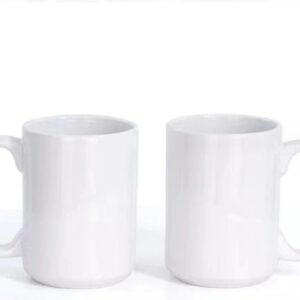
Abstract
The creation of personalized drinkware represents a unique intersection of artistic expression, material science, and personal or commercial branding. This document provides a comprehensive examination of the process required to design your own custom mugs, with a particular focus on the dye-sublimation technique. It deconstructs the journey from initial concept to a finished, high-quality product, suitable for both individual hobbyists and large-scale commercial ventures. The analysis covers critical decisions regarding material selection—including ceramic, metal, and glass—and their respective properties. It further explores the technical requirements for digital artwork preparation, ensuring optimal transfer fidelity. The core of the discussion centers on the sublimation process itself, detailing the interplay of heat, pressure, and specialized inks and coatings that results in a permanent, vibrant, and durable design. This exploration is intended to equip readers with the foundational knowledge and practical steps needed to produce professional-grade custom mugs, transforming a simple vessel into a meaningful object or a powerful marketing tool.
Key Takeaways
- Select the right mug material (ceramic, glass, metal) based on your design and intended use.
- Prepare high-resolution digital artwork (300 DPI) to ensure a crisp, clear final print.
- Understand the sublimation process of heat, time, and pressure for vibrant, permanent results.
- Properly design your own custom mugs by considering the entire printable surface area.
- Follow precise care instructions, such as hand washing, to extend the life of the design.
- Explore OEM and ODM services for scaling your custom mug project from a hobby to a business.
Table of Contents
- A Foundational Choice: Selecting the Perfect Mug for Your Vision
- The Canvas and the Art: Preparing Your Digital Design for Perfection
- The Magic of Transformation: Understanding the Sublimation Printing Process
- A Step-by-Step Guide to Sublimating Your Custom Mug
- Beyond the Press: Quality Control and Caring for Your Creation
- From a Single Mug to a Thousand: Scaling Your Customization Project
- Frequently Asked Questions (FAQ)
- A Final Reflection on Creation
- References
A Foundational Choice: Selecting the Perfect Mug for Your Vision
The journey to design your own custom mugs begins not with a digital file or a printing press, but with a tactile, physical choice: the mug itself. This object is the canvas, the foundation upon which your creative or corporate vision will be built. The material composition of the mug is not merely a background detail; it profoundly influences the aesthetic outcome, the durability of the final product, and the very experience of its use. The decision involves a thoughtful consideration of how the mug will be used, who will be using it, and the message the design is meant to convey.
The Classic Canvas: Ceramic Mugs
Ceramic is, for many, the archetypal material for a coffee mug. Its heft, its ability to retain heat, and its smooth, satisfying surface make it a daily companion in countless homes and offices. When selecting a ceramic mug for customization, particularly through sublimation, one is not choosing just any ceramic. You are seeking a mug with a specific polymer coating that is engineered to bond with sublimation inks at a molecular level (Sublimation101, 2023). Without this coating, the ink has nothing to adhere to, and the design would simply wipe away.
Let's consider the varieties within ceramics.
- Standard White Ceramic Mugs: These are the most popular choice for a reason. They provide a bright, neutral canvas that allows colors to appear true and vibrant. An 11oz or 15oz white mug is a versatile standard, suitable for everything from a family photo to a bold company logo.
- Color Mugs: These mugs feature a colored interior, handle, or even a full-color exterior with a white "patch" for the sublimation area. A mug with a black interior and a red handle, for instance, can be chosen to complement the colors in your design, creating a more integrated and deliberate aesthetic.
- Magic or Color-Changing Mugs: These fascinating items appear as a solid color (typically black) when cool. When a hot liquid is poured inside, the heat-sensitive outer layer becomes transparent, revealing the sublimated design beneath. This adds an element of surprise and delight, making them exceptionally popular for gifts. The transformation occurs because the thermochromic pigments in the outer glaze change structure at temperatures above 70°C (158°F), altering their light-absorbing properties (topsub.cn).
The Modern Alternative: Metal and Glass Mugs
While ceramic reigns supreme, other materials offer unique benefits that may better suit your project's goals.
- Stainless Steel Mugs: Often found in travel mug formats, stainless steel offers superior durability and insulation. They are nearly unbreakable, making them ideal for outdoor activities, commutes, or workshop environments. Like their ceramic counterparts, they require a special sublimation-receptive coating. The metallic sheen can sometimes subtly influence the final colors, a factor to consider during the design phase.
- Enamel Mugs: These have a nostalgic, rustic charm. Constructed from steel and coated in enamel, they are lightweight and durable, though susceptible to chipping if dropped, which can add to their vintage character. They are perfect for camping, picnics, or brands cultivating a retro or outdoorsy image.
- Glass Mugs: Sublimating on glass creates a uniquely elegant, translucent effect. The design appears semi-transparent, allowing light to pass through. This is particularly effective for delicate, artistic designs or logos that benefit from a more subtle presentation. Frosted glass mugs are a popular option, as the frosted surface helps to diffuse light and make the colors pop more than on clear glass.
To help clarify these choices, consider the following comparison.
| Feature | Ceramic Mug | Stainless Steel Mug | Glass Mug | Enamel Mug |
|---|---|---|---|---|
| Primary Aesthetic | Classic, Opaque, Versatile | Modern, Sleek, Industrial | Elegant, Translucent, Delicate | Rustic, Nostalgic, Lightweight |
| Heat Retention | Good | Excellent | Fair | Fair |
| Hållbarhet | Good (can chip/break) | Excellent (dent-resistant) | Poor (fragile) | Good (can chip) |
| Best Use Case | Daily use, photo gifts, corporate branding | Travel, outdoor use, construction/trade | Special occasions, artistic gifts, cafes | Camping, picnics, retro branding |
| Weight | Medium to Heavy | Medium | Medium | Light |
Making an Informed Decision
Imagine you are creating a promotional mug for a rugged outdoor apparel brand. A classic ceramic mug might feel out of place. An enamel or stainless steel travel mug, however, aligns perfectly with the brand's identity and the customer's lifestyle. Conversely, if you are designing a mug as a wedding favor featuring a delicate watercolor portrait of the couple, the ethereal quality of a frosted glass mug could be the most fitting choice.
The choice of mug is the first verse in the story you are telling. It sets the tone and establishes the context for the design that will adorn it. Taking the time to consider the material, shape, and even the handle of the mug demonstrates a level of intentionality that elevates the final product from a simple customized item to a thoughtfully designed object.
The Canvas and the Art: Preparing Your Digital Design for Perfection
Once you have chosen the physical form of your mug, the focus shifts to the digital realm. The artwork you prepare is the soul of the project. A poorly prepared file can lead to a disappointing final product, with blurry images, incorrect colors, and jagged text, regardless of how perfectly the printing process is executed. To design your own custom mugs to a professional standard, a meticulous approach to artwork preparation is non-negotiable. This stage is a dialogue between your creative intent and the technical constraints of the printing medium.
Resolution: The Bedrock of Clarity
The single most important technical specification for your design is its resolution, measured in Dots Per Inch (DPI). For printing, especially sublimation, the industry standard is 300 DPI.
What does this mean in practical terms? Imagine your design is a mosaic made of tiny colored squares. DPI refers to how many of those squares are packed into a one-inch line. A 72 DPI image, which is standard for web display, might look fine on your screen, but when printed, those squares become visibly large, resulting in a pixelated or blurry appearance. A 300 DPI image has over four times the amount of information in the same space, allowing for sharp lines, smooth gradients, and clear details.
Before you begin, set up your digital canvas in your preferred design software (like Adobe Photoshop, Illustrator, or Affinity Designer) to the correct dimensions and resolution. For a standard 11oz mug, the printable area is typically around 8.5 inches wide by 3.5 inches high. Therefore, your canvas should be set to 8.5" x 3.5" at 300 DPI. This translates to a pixel dimension of 2550 pixels by 1050 pixels. Starting with the correct setup prevents the heartache of having to resize a low-resolution design later.
Color Mode: Speaking the Printer's Language
Digital displays and printers speak different color languages. Your computer screen uses the RGB (Red, Green, Blue) color model, an additive system where light is combined to create colors. Printers, on the other hand, typically use the CMYK (Cyan, Magenta, Yellow, Key/Black) color model, a subtractive system where inks are layered on a surface to absorb light.
While many sublimation printers and their accompanying software are optimized to convert RGB files, designing in CMYK from the start can give you a more accurate preview of the final printed colors. Some vibrant, luminous colors you can create in RGB (like a bright, electric blue) do not have a direct equivalent in the CMYK gamut and may appear duller when printed. Working in CMYK forces you to design within the spectrum of what is physically achievable with ink, leading to fewer surprises. If you are unsure, consult the specifications provided by your printing service or the manufacturer of your sublimation supplies. Many, such as the integrated factory and trade company, can provide color profiles or guidance for best results.
Design Elements: Typography, Imagery, and Layout
With the technical foundation in place, you can focus on the creative elements.
- Typography: The fonts you choose carry their own personality. A serif font might convey tradition and elegance, while a clean sans-serif font can feel modern and direct. Ensure your text is not too small to be legible. Also, be mindful of the mug's curve. Text placed too close to the handle may be difficult to read. A useful trick is to print a paper proof of your design and wrap it around a mug to check for placement and legibility.
- Imagery: If using photographs, start with the highest quality original file available. A photo taken with a modern smartphone is often sufficient, but a small, compressed image downloaded from social media will almost certainly look poor. For illustrations or logos, vector files (like .AI or .EPS) are ideal. Unlike pixel-based images (like .JPG or .PNG), vectors are made of mathematical equations and can be scaled to any size without losing quality.
- Layout: The printable area of a mug is a wide, panoramic rectangle. This offers unique opportunities. You could have a design that wraps all the way around, a main image on one side with text on the other, or a central logo that is visible no matter how the mug is held. Remember to leave a small "safe area" or margin around the edges of your design, as perfect alignment right to the top and bottom lip of the mug can be challenging.
Final File Preparation
Before exporting your final file, double-check everything. Proofread all text for spelling and grammar errors. Zoom in to 100% to inspect image quality. Ensure all important elements are within the safe area.
When saving, formats like .PNG, .PSD, or .TIFF are generally preferred for sublimation as they handle high-resolution graphics and color information well. A high-quality .JPG can also work, but be aware that JPG is a "lossy" format, meaning it discards some image data to reduce file size, which can sometimes degrade quality. Always save at the highest possible quality setting.
Preparing your artwork is an act of translation—translating a digital idea into a set of instructions that a printer can execute flawlessly. It is a stage where technical diligence and creative foresight merge, setting the stage for a beautiful and lasting final product.
The Magic of Transformation: Understanding the Sublimation Printing Process
With a well-chosen mug and a perfectly prepared digital file, you are ready to engage with the core technology that makes high-quality custom mugs possible: dye-sublimation. The term may sound technical, but the concept is beautifully simple and rooted in basic chemistry and physics. Understanding how it works demystifies the process and empowers you to troubleshoot issues and appreciate the quality of a well-made sublimated product.
At its heart, sublimation is the process of a substance transitioning directly from a solid to a gas, bypassing the liquid state entirely. Think of dry ice (solid carbon dioxide) turning into a cloud of vapor without ever melting into a puddle. Dye-sublimation printing harnesses this principle to embed an image into a surface, rather than simply printing it on top.
The Key Ingredients
The process relies on a synergy between four key components:
- Sublimation Inks: These are not ordinary inks. They are composed of solid dye particles suspended in a liquid carrier. When heated to a specific temperature (typically around 180-200°C or 350-400°F), these solid particles convert directly into a gas.
- Sublimation Transfer Paper: This is a specialized paper with a coating that holds the ink droplets on its surface without absorbing them. It is designed to release the ink as a gas when heated.
- A Sublimation-Ready Surface: As discussed earlier, the mug must have a polymer coating. This coating is crucial because when heated, the pores of the polymer open up, ready to receive the ink. Materials like polyester fabric are naturally receptive, but hard surfaces like ceramic or metal need this special layer applied at the factory.
- Heat and Pressure: This is applied by a mug heat press, a machine designed to wrap around the mug and apply consistent heat and pressure across its entire surface.
The Molecular Dance
Here is how these ingredients come together in a remarkable molecular dance:
- Printing: Your digital design is first printed onto the sublimation transfer paper using a printer filled with sublimation inks. At this stage, the printed image may look faded or dull. This is normal; the true colors will only emerge under heat. The image must be printed as a mirror image of the final design.
- Wrapping: The printed paper is trimmed and wrapped tightly around the mug, with the inked side facing the mug's surface. It is secured with heat-resistant tape to ensure it does not shift during the transfer.
- Pressing: The mug is placed into the preheated mug press. The machine closes, applying firm, even pressure and a consistent high temperature for a specific duration (usually a few minutes, depending on the mug and equipment).
- Sublimation and Infusion: This is where the magic happens. The heat from the press causes the solid ink on the paper to turn into a gas. Simultaneously, the heat opens the pores of the polymer coating on the mug. The gaseous ink is drawn into these open pores.
- Cooling and Solidification: After the prescribed time, the mug is removed from the press. As it cools, the pores of the polymer coating close, trapping the ink particles, which have now returned to a solid state.
The result is a design that is not sitting on the surface of the mug but is permanently infused into the coating. You cannot feel the design; it is smooth to the touch. Because the ink is now part of the mug's surface, the image is incredibly durable, scratch-resistant, and will not fade or peel over time with proper care. It is a full-color, photographic-quality image that has become one with the object itself.
This table contrasts sublimation with a more traditional printing method, screen printing, to highlight its advantages for custom mug design.
| Feature | Dye-Sublimation | Screen Printing |
|---|---|---|
| Image Quality | Continuous tone, photographic quality, unlimited colors. | Limited to solid spot colors (each color requires a separate screen). |
| Hållbarhet | Excellent. Ink is infused into the coating; will not peel or crack. | Good, but the ink sits on the surface and can be scratched or worn off over time. |
| Setup Cost | Low. Ideal for one-offs and small batches. | High. Requires creating screens for each color, making it costly for small runs. |
| Cost Per Unit | Consistent regardless of the number of colors. | Increases with each additional color. |
| Best For | Full-color photos, complex graphics, gradients, personalized one-off items. | Simple logos with one or two colors, large bulk orders of the same design. |
| Feel of Design | Perfectly smooth, cannot be felt. | Slightly raised, can be felt on the surface. |
Understanding this process is fundamental when you design your own custom mugs. It explains why high-resolution images are needed (to provide enough data for the gaseous ink to form a sharp image) and why the specific mug coating is non-negotiable. It is a testament to how science can be harnessed to create objects that are both beautiful and enduring.
A Step-by-Step Guide to Sublimating Your Custom Mug
Having explored the theoretical underpinnings of material choice, design preparation, and the sublimation process, we can now translate that knowledge into a practical, sequential workflow. This is where the abstract concepts meet the hands-on reality of creation. Following these steps methodically is the key to achieving consistent, professional-quality results when you design your own custom mugs. This guide assumes you have access to a sublimation printer, sublimation inks, transfer paper, a sublimation-ready mug, and a mug heat press.
Step 1: Final Design Check and Printing
Before you commit ink to paper, perform one last rigorous check of your digital file.
- Mirror the Image: This is the most common and easily avoidable mistake for beginners. Your design must be horizontally flipped or mirrored before printing. When it is wrapped around the mug and transferred, it will be oriented correctly. Most printer drivers for sublimation have a "mirror image" checkbox; ensure it is selected.
- Print Settings: Use the correct print settings for your specific paper and printer. This usually involves selecting a high-quality photo mode and ensuring the printer is using the correct color profile for your sublimation inks.
- Print the Transfer: Print your mirrored design onto the sublimation transfer paper. Handle the paper carefully by the edges to avoid getting fingerprints on the coated printing surface, as oils from your skin can interfere with the ink transfer. Let the ink dry completely for a few minutes before proceeding.
Step 2: Preparing and Wrapping the Mug
A clean surface is essential for a flawless transfer.
- Clean the Mug: Even a brand-new mug can have dust or microscopic debris on its surface. Use a lint-free cloth and a small amount of isopropyl alcohol to wipe down the entire surface of the mug. This removes any contaminants that could cause spots or imperfections in the final print.
- Trim the Paper: Cut your printed transfer down to size, leaving a small border if desired, but ensuring it is not so large that it will crease or fold when wrapped.
- Position and Secure: Carefully wrap the transfer around the mug, ensuring the design is straight and centered. The inked side of the paper must be in firm contact with the mug's surface. Use heat-resistant tape to secure the paper at the seam and along the top and bottom edges. The tape should not cover any part of the design itself. The wrap must be tight and smooth; any gaps or wrinkles will result in an uneven, faded transfer in those areas.
Step 3: Setting Up the Heat Press
Your mug heat press is the heart of the operation. Correct temperature, time, and pressure are the three pillars of a successful sublimation transfer.
- Preheat the Press: Turn on your mug press and set it to the recommended temperature for your specific type of mug. For ceramic mugs, this is typically around 190-200°C (375-390°F). Always refer to the manufacturer's instructions for both your mugs and your press, as these can vary. Allow the press to fully preheat.
- Set the Time: The "dwell time" is how long the mug will be heated. For ceramic mugs, this is often between 180 and 240 seconds.
- Adjust the Pressure: The pressure should be medium to firm. A good test is to place an empty mug in the press (while it is cool) and close it. You should feel solid resistance, but not so much that you risk breaking the mug's handle when clamping it shut. The pressure needs to be sufficient to hold the transfer paper in intimate contact with the entire surface of the mug.
Step 4: The Pressing and Transfer
With everything prepared, it is time for the main event.
- Place the Mug: Carefully place the wrapped mug into the preheated press. Center it within the heating element to ensure even heat distribution.
- Engage the Press: Close the press firmly. The timer should start automatically. Stay near the press during this time, but avoid touching it as it will be extremely hot. You may notice a slight odor as the ink sublimates; this is normal and should be done in a well-ventilated area.
- Release and Reveal: Once the timer goes off, open the press immediately and carefully remove the mug. It will be incredibly hot, so always use heat-resistant gloves or tongs. Place the mug on a heat-proof surface. With the gloves still on, carefully and quickly peel away the transfer paper. Peeling while hot helps prevent the gassing-out ink from resettling on the surface and causing a blurry "ghost" image.
Step 5: Cooling and Curing
The process is not quite finished when the mug leaves the press.
- Cooling: Allow the mug to cool completely to room temperature. Do not try to speed up the process by dunking it in cold water, as the thermal shock could cause the ceramic to crack. The colors may continue to develop and settle slightly as it cools.
- Curing: Once cool, the design is permanent and fully cured. The polymer pores have closed, locking the ink inside. The mug is now ready for use or packaging.
This step-by-step process, when followed with care and attention to detail, transforms a blank object and a digital file into a vibrant, durable, and personalized piece of functional art. Each step builds upon the last, and precision at every stage is what separates an amateur attempt from a professional result. For those looking for more detailed visual guides, exploring a practical guide to making mugs can provide additional context and clarification.
Beyond the Press: Quality Control and Caring for Your Creation
The moment you peel back the transfer paper to reveal a vibrant, sharp design is exhilarating. However, the process to design your own custom mugs does not end there. A professional approach involves a critical inspection of the finished product and an understanding of how to care for it to ensure its longevity. This final stage of quality control and aftercare is what guarantees satisfaction, whether the mug is a gift for a loved one or part of a large commercial order.
The Critical Eye: Inspecting Your Finished Mug
After the mug has cooled completely, it is time to examine your work with a discerning eye. This quality control check ensures that the product meets your standards. Look for several common issues:
- Fading or Uneven Color: If parts of the design appear faded or lighter than others, it is often an indication of uneven pressure or temperature in the heat press. A common spot for this is near the handle, where the heating element may not make perfect contact.
- Ghosting: A faint, secondary outline of your image next to the primary one is known as ghosting. This typically happens if the transfer paper shifts slightly upon opening the press or if it is not removed quickly enough while the mug is still hot.
- Blurriness: If the entire design is blurry, it could be due to several factors: the initial image resolution was too low, the mug was left in the press for too long (over-cooking), or the transfer paper was not wrapped tightly enough.
- Brown or Yellow Spots/Haze: A brownish or yellowish tint, especially in the white areas of the design, is a sign of scorching. This means the temperature was too high or the dwell time was too long.
- Small Dots or Imperfections: Tiny white dots where the color should be are often caused by dust or debris on the mug's surface before pressing. This highlights the importance of the cleaning step.
Learning to identify these issues is the first step toward correcting them. Keep a log of your time, temperature, and pressure settings for different types of mugs. When you produce a perfect mug, you have a proven formula to replicate. When an issue arises, you can adjust one variable at a time to diagnose and solve the problem.
Preserving the Vibrancy: Care and Maintenance
A properly sublimated mug is remarkably durable. The design is not a decal; it is infused into the very surface. Nonetheless, providing proper care instructions will ensure the mug looks its best for years to come.
- Washing: While most sublimation mugs are advertised as dishwasher-safe, the high heat and harsh detergents used in some dishwashers can cause the colors to gradually fade over a long period. For maximum longevity, hand washing with a soft sponge and regular dish soap is the gold standard. A study on the durability of sublimated coatings notes that while resistant, repeated exposure to high-alkaline detergents can eventually degrade the polymer surface (Wang & Zhang, 2022).
- Microwave Use: Generally, ceramic sublimation mugs are perfectly safe to use in the microwave. The sublimation process itself does not render them unsafe. However, this does not apply to all types. Metal mugs (stainless steel or enamel) should never be placed in a microwave. Additionally, "magic" color-changing mugs may have their heat-sensitive properties degraded by repeated microwaving.
- Abrasives: Avoid using abrasive cleaners or scouring pads (like steel wool) on the mug. While the sublimated surface is scratch-resistant, it is not scratch-proof. A harsh abrasive could potentially damage the polymer coating and the infused image.
Communicating these care instructions is a mark of a quality provider. If you are selling your custom mugs, including a small care card with each one is a professional touch that customers appreciate. It shows that you care about the product long after the sale is complete. This final attention to detail and customer education completes the cycle of creation, ensuring the object you worked so hard to produce is enjoyed to its fullest potential for its entire lifespan.
From a Single Mug to a Thousand: Scaling Your Customization Project
Many who start out learning to design your own custom mugs do so as a hobby, creating unique gifts for friends and family. However, the skills you develop are directly applicable to commercial ventures, from a small Etsy shop to large-scale corporate branding. Scaling up production from a single mug to tens, hundreds, or thousands requires a shift in mindset and process, moving from individual artistry to streamlined manufacturing and business logistics.
Bridging the Gap: From Hobbyist to Small Business
The first step in scaling is to optimize your workflow for efficiency.
- Batching Tasks: Instead of making one mug from start to finish, group similar tasks together. Print all your transfers at once. Clean and prepare a dozen mugs at a time. This assembly-line approach dramatically reduces the time spent per unit.
- Investing in Equipment: While a single mug press is great for starting out, producing in volume may require upgrading. Consider a press that can handle multiple mugs at once or even a convection oven equipped with special silicone wraps, which allows you to sublimate many mugs simultaneously.
- Sourcing Supplies in Bulk: The cost per mug drops significantly when you purchase blank mugs, ink, and paper in bulk from a wholesale supplier. Establishing a relationship with a reliable manufacturer is key to maintaining quality and managing costs.
This is also the stage where you begin to think like a business. You need to calculate your costs (materials, electricity, time), price your products competitively, manage inventory, and handle shipping and customer service.
The Power of Partnership: OEM and ODM Services
For those looking to produce truly large quantities—for instance, a company needing 5,000 promotional mugs for a trade show—doing it all in-house becomes impractical. This is where partnering with a specialized manufacturer through OEM or ODM services becomes the logical next step.
- OEM (Original Equipment Manufacturer): In an OEM arrangement, you provide the complete, finished design. The manufacturer acts as your production facility, using your artwork to produce the mugs exactly to your specifications. You control the creative aspect entirely; they handle the manufacturing, quality control, and logistics of mass production. This is ideal for businesses with a strong in-house design team.
- ODM (Original Design Manufacturer): In an ODM model, the manufacturer provides a selection of pre-designed products or templates that you can then modify with your own logo or branding. For example, a manufacturer like topsub.cn might offer a series of mugs with existing patterns or handle shapes. You select a base design and they add your company's logo. This is a faster, more streamlined option for businesses that need a quality product without investing heavily in custom design from scratch.
Partnering with a factory that offers these services provides several advantages:
- Economies of Scale: The cost per unit at a factory level is far lower than what a small-scale producer can achieve.
- Quality Assurance: Established manufacturers have rigorous quality control processes in place, ensuring consistency across thousands of units. They have mastered the variables of heat, pressure, and material science.
- Advanced Capabilities: Factories often have access to printing technologies and mug types that may be unavailable to smaller operators, such as intricate handle shapes, specialized glazes, or unique sizes like 3oz mini mugs or large 20oz steins.
- Logistics and Shipping: They can handle complex international shipping, customs, and distribution, delivering the final product directly to your warehouse or event location.
Applications in the Commercial World
The ability to design your own custom mugs opens up a vast array of commercial applications.
- Promotional Merchandise: Mugs are a classic promotional item because they are useful and offer a large, visible area for a brand's logo. A well-designed mug can sit on a client's desk for years, providing daily brand exposure.
- Corporate Gifting: Custom mugs can be used for employee onboarding kits, holiday gifts, or to celebrate company milestones.
- Retail and E-commerce: Artists and designers can sell their artwork on mugs, creating an accessible product line for their fans. Niche markets—from pet lovers to vintage car enthusiasts—provide endless opportunities for targeted designs.
- Event Souvenirs: Concerts, festivals, weddings, and family reunions are all occasions where custom mugs can serve as a lasting memento.
Whether you remain a dedicated hobbyist or grow into a global brand, the fundamental principles of good design and quality production remain the same. The journey starts with a single mug, but with the right knowledge and partnerships, it can scale to any ambition.
Frequently Asked Questions (FAQ)
What is the best file format for my mug design?
For sublimation printing, it is best to use a high-quality, lossless file format. A PNG file is an excellent choice as it supports transparency and maintains image quality. A PSD (Adobe Photoshop) or TIFF file is also ideal, as they preserve all layers and data. If you must use a JPG, ensure it is saved at the highest possible quality setting to minimize compression artifacts that can lead to a blurry print.
Is the sublimation printing on mugs safe to drink from?
Yes, once the sublimation process is complete, the mugs are perfectly safe for daily use. The inks are infused into a special food-grade polymer coating and are sealed within it (Zhu, 2021). The high heat of the process ensures the ink is fully cured. The final product is non-toxic and durable, meeting international safety standards for food contact items.
Can I use any ceramic mug for sublimation?
No, you cannot use a standard mug from a department store. Sublimation requires a special poly-coating on the mug's surface that is designed to absorb the gaseous ink. Without this specific coating, the ink has nothing to bond with and the design will not transfer. Always purchase mugs that are specifically sold as "sublimation-ready" or "for sublimation."
Why do the colors on my printed transfer paper look dull?
It is completely normal for the colors on the sublimation transfer paper to appear faded or inaccurate before pressing. The sublimation inks are chemically designed to achieve their true, vibrant color only when they are heated to a high temperature and transform into a gas. You will see the final, vivid colors emerge only after the mug has been pressed and the transfer is complete.
Are color-changing "magic mugs" safe?
Yes, color-changing mugs are safe. They use a special thermochromic (heat-sensitive) glaze on the outside of the mug. This glaze is non-toxic and separated from the beverage you drink. The magic happens when hot liquid (above 70°C/158°F) heats the ceramic, causing the outer glaze to become transparent and reveal the sublimated design underneath.
How can I prevent my designs from fading?
A properly sublimated design is highly resistant to fading. To ensure the longest possible life for the vibrant colors, it is best to hand wash the mug. While many are rated as top-rack dishwasher safe, the combination of high heat and harsh detergents in some dishwashers can cause a very gradual loss of vibrancy over many cycles. Avoid using abrasive scouring pads.
What causes "ghosting" or blurry images on my mug?
Ghosting, a faint double image, is typically caused by the transfer paper shifting while the mug is still very hot and the ink is in a gaseous state. Ensure you tape your transfer down securely and peel it off quickly and cleanly after pressing. General blurriness can be a result of using a low-resolution image, wrapping the paper too loosely, or "over-cooking" the mug with too much time or heat.
A Final Reflection on Creation
The act of designing a custom mug is a small but potent form of creation. It is a process that transforms an everyday object into a personal statement, a cherished memory, or a brand ambassador. Through the thoughtful selection of materials, the meticulous preparation of a digital design, and the scientific precision of the sublimation process, you are able to infuse a simple vessel with meaning and permanence. What begins as an idea becomes a tangible, functional piece of art that can be held, used, and appreciated daily. Whether for personal joy or commercial enterprise, mastering this craft offers a unique and rewarding way to bring your vision into the physical world, one mug at a time. The journey from blank canvas to finished product is a powerful reminder of the connection between technology, artistry, and the human desire to make our mark.
References
BANO TECHNOLOGY CO., LTD. (2025). Wholesale Personalized Porcelain Porcelain Cup Ceramic Coffee Mug. Made-in-China.com. Retrieved from
Sublimation101. (2023). The science of sublimation. Retrieved from
Wang, L., & Zhang, H. (2022). Durability and degradation mechanisms of polymer coatings on ceramic substrates under thermo-chemical stress. Journal of Applied Polymer Science, 139(24), e52358.
Zhu, Y. (2021). Safety analysis of dye-sublimation inks for food-contact materials. Journal of Food Safety and Quality, 12(3), 112-118.
Zibo Toposi International Trade Co., Ltd. (2024). China Ceramic sublimation mugs. Topsub.cn. Retrieved from https://www.topsub.cn/category/ceramic-sublimation-mugs/
Zibo Toposi International Trade Co., Ltd. (2024). China Ceramic cups wholesale manufacturer and supplier provide Color mugs. Topsub.cn. Retrieved from https://www.topsub.cn/category/ceramic-sublimation-mugs/color-mugs/
Zibo Toposi International Trade Co., Ltd. (2024). Wholesale Good Quality Custom Made Ceramic Mugs Manufacturer Wholesalers. Topsub.cn. Retrieved from https://www.topsub.cn/products/wholesale-good-quality-custom-made-ceramic-mugs-manufacturer-wholesalers/
Zibo Toposi International Trade Co., Ltd. (2024). Wholesale Good Quality Imprinted Ceramic Coffee Mugs Factory Exporter. Topsub.cn. Retrieved from https://www.topsub.cn/products/wholesale-good-quality-imprinted-ceramic-coffee-mugs-factory-exporter/
Zibo Toposi International Trade Co., Ltd. (2024). China OEM Cheap Ceramic Mugs Wholesale Pricelist Manufacturers. Topsub.cn. Retrieved from https://www.topsub.cn/products/china-oem-cheap-ceramic-mugs-wholesale-pricelist-manufacturers/
Zibo Toposi International Trade Co., Ltd. (2024). Wholesale pottery mugs, imprinted ceramic coffee mugs, Sublimation cup factory. Topsub.cn. Retrieved from https://www.topsub.cn/el/products/?product-page=10