

 Swedish
  English
  Spanish
  Russian
  German
  Arabic
  Italian
  Portuguese
  French
  Greek
Greek  Polish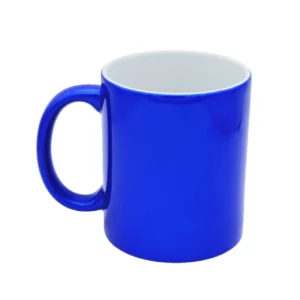
Abstract
The examination of a 325 milliliter (ml) mug reveals a vessel that functions as a de facto standard in both domestic and commercial spheres. This capacity, equivalent to approximately 11 fluid ounces, represents a confluence of user ergonomics, manufacturing efficiency, and cultural expectation. Its physical dimensions, typically around 9.5 centimeters in height and 8 centimeters in diameter, provide an optimal balance of volume for common beverages like coffee and tea, while ensuring comfortable handling and thermal stability. In the professional realm, particularly within the sublimation printing industry, this specific size is prized for its compatibility with standard heat press equipment and its ideal surface area for custom designs. An analysis of the 325ml mug extends beyond mere measurement, touching upon principles of industrial design, supply chain logistics, and the psychology of consumer preference. It serves as a case study in how a simple object can become deeply embedded in daily rituals and global commerce through a combination of practical design choices and market consensus.
Key Takeaways
- A 325ml mug holds approximately 11 fluid ounces, a classic size for daily coffee or tea.
- Its typical dimensions are about 9.5 cm tall and 8 cm wide, offering a comfortable grip.
- This size is the industry standard for sublimation printing due to its ideal surface area.
- Understanding how big a 325ml mug is helps in selecting the right drinkware for your needs.
- It offers a perfect balance of volume, heat retention, and manufacturing cost-effectiveness.
- This mug's popularity in the USA and Europe makes it a reliable choice for businesses.
Table of Contents
- The Ubiquitous 325ml Mug: Defining a Global Standard
- Reason 1: The Perfect Volume for Daily Rituals
- Reason 2: An Ideal Canvas for Customization and Sublimation
- Reason 3: Economic and Logistical Efficiency in Production and Shipping
- Reason 4: Ergonomics and the Human Experience
- Reason 5: Cultural Resonance and Market Expectation
- A Broader Perspective: Situating the 325ml Mug in a World of Drinkware
- Frequently Asked Questions (FAQ)
- Conclusion
- References
The Ubiquitous 325ml Mug: Defining a Global Standard
When we pose the question, "How big is a 325ml mug?", we are not merely inquiring about a set of physical dimensions. We are, in a sense, probing the very essence of what constitutes a "standard" mug in the collective consciousness of a global coffee and tea-drinking culture. The answer, at its most direct, is that a 325ml mug holds a volume equivalent to approximately 11 fluid ounces. This places it squarely in the middle of the spectrum of common mug sizes, a versatile and widely accepted capacity that has become a benchmark for homes, offices, and commercial enterprises alike.
To visualize this, consider the typical dimensions. A standard 325ml ceramic mug generally stands about 9.5 centimeters (3.75 inches) tall, with a diameter of roughly 8 centimeters (3.15 inches). This is a size that feels substantial yet manageable in the hand. It is not so small that a satisfying drink feels fleeting, nor so large that the contents become cold before they can be finished. This balance is not accidental; it is the result of decades of consumer preference and manufacturing refinement.
To better situate the 325ml mug, it is helpful to compare it with other common sizes you might encounter. The world of drinkware is vast, with each size tailored to a specific purpose, from a quick, potent espresso to a large, leisurely latte. The following table provides a comparative overview, translating volumes and providing context for their typical use.
| Mug Size (Volume) | US Fluid Ounces (Approx.) | Typical Height | Typical Diameter | Common Use Case |
|---|---|---|---|---|
| 180 ml | 6 oz | 7 cm (2.75 in) | 7 cm (2.75 in) | Small coffee, Cappuccino, Flat White |
| 240 ml | 8 oz | 8.5 cm (3.35 in) | 7.5 cm (2.95 in) | Standard small coffee, some machine defaults |
| 325 ml | 11 oz | 9.5 cm (3.75 in) | 8 cm (3.15 in) | The classic "standard" for coffee, tea, sublimation |
| 350 ml | 12 oz | 10.5 cm (4.1 in) | 8.5 cm (3.35 in) | Slightly larger standard, common in cafes |
| 450 ml | 15 oz | 11.5 cm (4.5 in) | 8.5 cm (3.35 in) | Large coffee or tea, soup mug |
| 600 ml | 20 oz | 11 cm (4.3 in) | 10 cm (3.9 in) | "Jumbo" or "soup" mug, for those who want more |
As the table illustrates, the 325ml (11oz) mug occupies a central, foundational position. It is the size that many automatic coffee makers are calibrated for, the size that fits comfortably under the spout of an espresso machine for an Americano, and the size most frequently found in promotional product catalogs. Its ubiquity is a testament to its functional excellence. It is large enough to accommodate the addition of milk or cream without risk of spilling, yet compact enough to fit neatly into kitchen cabinets and dishwashers. This intersection of practicality and convention is the primary reason for its enduring popularity across diverse markets, from the United States to Europe and Russia.
The Language of Volume: Milliliters and Ounces
Navigating the world of drinkware often requires a bilingual understanding of measurement systems. Milliliters (ml), a unit of the metric system, are the standard for volume in most of the world, including Europe and much of Asia. Fluid ounces (fl oz), part of the imperial and US customary systems, remain prevalent in the United States. A 325ml mug directly translates to approximately 10.99 US fluid ounces, which is universally rounded to 11 ounces for marketing and manufacturing purposes.
This slight discrepancy between the precise metric volume and the common imperial label is a fascinating footnote in the history of global trade. It reflects a process of standardization where products must be legible and appealing to different measurement cultures. A manufacturer might design a mold for a 325ml capacity, but label it as an "11oz mug" for the American market to align with consumer expectations. This pragmatic approach ensures that the mug is understood and accepted, regardless of the local system of measurement. Therefore, when you see an "11oz mug" advertised, it is almost certain that you are looking at a vessel with a capacity of or very near to 325ml.
Reason 1: The Perfect Volume for Daily Rituals
The persistence of the 325ml mug as a household and office staple is deeply rooted in its alignment with the daily rituals that structure our lives. The capacity is not an arbitrary number; it is a volume that harmonizes with the way we prepare and consume our favorite beverages. It represents a "golden mean" of liquid refreshment—enough to satisfy, but not so much as to overwhelm. This perfect balance speaks to a deep, often unspoken, understanding of what makes a beverage experience feel complete and comforting.
Think about the first drink of the day. For many, this is a sacred moment, a quiet ritual before the demands of the world set in. The vessel chosen for this moment is significant. A 325ml mug accommodates a standard serving from a drip coffee maker, a Keurig K-Cup, or a Nespresso pod with ample room for milk, cream, or sugar. This prevents the frantic search for a larger cup or the disappointment of a half-filled one. The volume is psychologically satisfying; it feels like a "full" cup of coffee, providing the perceived energy and warmth needed to start the day.
The Morning Coffee: A Ritual Measured in Milliliters
The relationship between a coffee maker and a mug is a symbiotic one. Appliance manufacturers design their machines with an implicit understanding of standard cup sizes. A "cup" as measured by the carafe of a drip coffee machine is typically only 5 to 6 ounces (150-180ml). Therefore, a setting for "2 cups" on the machine brews approximately 10-12 ounces of coffee, perfectly filling a 325ml mug. This calibration is a quiet acknowledgment of how people actually drink coffee. Few people consume a single, tiny 5-ounce serving. Instead, the 325ml mug has become the true, practical "single serving" in the modern home.
This volume also interacts with the sensory experience of the coffee itself. It is large enough to allow the coffee's aroma to collect and be appreciated before sipping, an important part of the tasting experience (Mørch, 2017). At the same time, it is not so large that the coffee cools excessively before it can be consumed. The surface area to volume ratio is such that it maintains a pleasant drinking temperature for a reasonable amount of time, a crucial factor in the enjoyment of any hot beverage.
Tea Time Traditions: Balancing Flavor and Temperature
For tea drinkers, the 325ml mug offers a similar set of advantages. Whether one is using a tea bag or a loose-leaf infuser, this volume provides the ideal amount of water to achieve a proper infusion without diluting the flavor. Many tea bags are designed with this very capacity in mind. Using a much larger mug with a single tea bag can result in a weak, unsatisfying brew, while a smaller cup might produce a flavor that is overly strong or bitter.
Furthermore, the ritual of tea is often one of slower, more contemplative consumption. The 325ml capacity allows for a prolonged experience. It invites the drinker to cradle the warm ceramic, to enjoy the evolving flavors as the tea cools slightly, and to have enough of the beverage to accompany a short break, a conversation, or the reading of a few pages of a book. It hits the sweet spot between a delicate, formal teacup and an oversized, unwieldy tankard, making it the default choice for everyday tea enjoyment.
Beyond Hot Drinks: The Versatility of a Mid-Sized Mug
The utility of a 325ml mug is not confined to coffee and tea. Its versatile size makes it a go-to vessel for a wide array of other consumables. Think of a comforting cup of hot chocolate on a cold evening, topped with whipped cream or marshmallows. A 325ml mug is perfectly proportioned for a standard packet of instant cocoa mix. It is also an excellent size for a single serving of soup, whether from a can or a packet of instant broth. It offers a more casual and comforting alternative to a formal soup bowl, and it is easier to handle when sitting on a couch.
In the office, this mug might be used for hot water for oatmeal, for a cold glass of juice, or even as a convenient pen holder. Its role transcends that of a simple beverage container, becoming a reliable, multi-purpose tool in the landscape of our daily lives. This functional flexibility is a powerful, if subtle, reason for its dominance. It is the mug that can do almost anything, making it an indispensable part of any kitchen cabinet.
Reason 2: An Ideal Canvas for Customization and Sublimation
The 325ml mug is not just a vessel for drinks; it is a blank canvas for expression. Its status as an industry standard is perhaps most evident in the world of custom printing, particularly dye-sublimation. For businesses that specialize in personalized products, from small Etsy shops to large-scale producers of promotional goods like Zibo Tuopus International Trade Co., Ltd., the 11oz/325ml mug is the undisputed king. This preference is not arbitrary but is based on a perfect marriage of geometry, material science, and compatibility with existing technology.
The process of creating a custom mug has become a massive global industry, allowing individuals and companies to put photos, logos, and intricate designs onto a functional, everyday object. The 325ml mug’s specific shape and size have made it the default choice for this process, creating a self-reinforcing cycle: because it is the standard, most equipment is designed for it, and because most equipment is designed for it, it remains the standard.
Understanding Dye-Sublimation: A Primer for Creatives
To appreciate why the 325ml mug is so perfectly suited for customization, one must first grasp the basics of dye-sublimation. It is a process that feels almost like magic. A design is first printed onto a special type of transfer paper using sublimation inks. This paper is then wrapped tightly around a mug that has been treated with a special polymer coating. The mug is then placed into a heat press, which applies intense heat (typically around 200°C or 400°F) and pressure.
Under this heat, the solid dye on the paper turns directly into a gas—it sublimates—bypassing the liquid phase. This gas permeates the now-open pores of the polymer coating on the mug. When the heat is removed, the pores close, trapping the gas as it turns back into a solid, permanently infusing the design into the surface of the mug. The result is not a sticker or a layer on top of the mug; the image is now part of the mug's coating itself. This creates a brilliant, full-color, high-resolution image that is incredibly durable. It will not peel, crack, or fade with washing, and it is typically microwave and dishwasher safe.
The Geometry of a Perfect Print: Why 325ml Works
The typical dimensions of a 325ml mug—approximately 9.5 cm tall and 8 cm in diameter—create an ideal printable surface area. Most standard mug heat presses are designed to accommodate objects within this size range. The printable area on an 11oz mug is usually around 20 cm x 9 cm (about 8 inches x 3.5 inches), which allows for a "full wrap" design that covers the mug from one side of the handle to the other.
This creates a visually impressive and seamless canvas. The relatively straight, cylindrical walls of the classic 325ml mug are crucial. Tapered or conical mugs are more difficult to print on, as the pressure from the heat press can be uneven, and the design must be distorted in a specific way (using a template) to appear straight on the final product. The simple, predictable geometry of the standard mug minimizes these complications, making it far easier for both amateurs and professionals to achieve a perfect, distortion-free print every time. This reliability is paramount in a commercial setting where consistency and quality control are key.
Material Matters: Ceramic, Glass, and Metal Sublimation
While the classic white ceramic mug is the most common choice for sublimation, the process can be applied to other materials as long as they can be treated with the necessary polymer coating. This is where the versatility of the 325ml size continues to shine. Manufacturers offer a wide variety of sublimation cups in this standard capacity, including:
- Ceramic Mugs: The workhorse of the industry. They are affordable, durable, and the bright white surface provides a brilliant backdrop for vibrant colors. Variations include color-changing "magic mugs" that reveal a design when hot liquid is added, mugs with colored interiors or handles, and patch mugs with a dedicated white printing area on a colored body.
- Glass Mugs: Frosted or clear glass mugs in the 325ml size offer a unique, elegant alternative. The sublimation process creates a translucent or semi-opaque image that interacts with the light and the liquid inside, offering a different aesthetic appeal.
- Metal Mugs: Stainless steel and enamel-coated metal cups, often in sizes close to 325ml, are popular for camping, outdoor use, or for a rustic aesthetic. Sublimation on these surfaces provides a durable and permanent way to brand them without the risk of scratching associated with painted-on logos.
The fact that this single, standard size is available across such a wide range of materials further solidifies its position. A designer can create one piece of artwork and know that it can be applied to a ceramic, glass, or metal mug with minimal adjustment, streamlining the creative and production process.
Reason 3: Economic and Logistical Efficiency in Production and Shipping
The dominance of the 325ml mug is not just a matter of consumer preference or creative utility; it is also deeply entrenched in the practical realities of global manufacturing, economics, and logistics. From the perspective of a factory floor or a warehouse, standardization is the key to efficiency. The 325ml mug represents a triumph of this principle, a product refined over time to be as cost-effective to produce, package, and ship as possible. This unseen efficiency is a powerful force that keeps the 325ml mug at the forefront of the market.
For large-scale producers, the ability to focus on a single, high-volume product line unlocks significant economies of scale. Every step of the production process, from mixing the clay to firing the kilns, can be optimized for one set of dimensions. This reduces waste, minimizes the need for retooling machinery, and simplifies quality control.
The Economies of Scale in Ceramic Manufacturing
Let's consider the journey of a ceramic mug. It begins as a slurry of clay, feldspar, and silica. This slip is poured into molds, which are themselves a significant investment. By standardizing on the 325ml size, a factory can produce vast numbers of these molds and use them repeatedly, amortizing their cost over millions of units. The equipment used to handle the fragile "greenware" (unfired mugs), the automated glazing machines, and the kilns themselves can all be calibrated for a consistent size and weight.
The firing process is particularly energy-intensive. Kilns are most efficient when packed as densely as possible. A standard mug size allows for the creation of custom-designed kiln furniture (the shelves and supports that hold the mugs) that maximizes the number of pieces that can be fired in a single batch. This optimization directly translates to lower energy consumption per unit, which in turn leads to a lower production cost (Richerson, 2018). This cost saving is then passed on to the consumer, making the 325ml mug an affordable and accessible product.
Packaging and Logistics: A Hidden Cost Saver
The journey of the mug does not end at the factory door. It must then be packaged, palletized, and shipped across the country or around the world. Here again, the standard dimensions of the 325ml mug are a major advantage. Packaging manufacturers produce millions of stock cardboard boxes, foam shippers, and gift boxes designed specifically to fit an 11oz mug. This eliminates the need for expensive custom packaging and ensures a snug, secure fit that minimizes breakage during transit.
When these boxes are stacked on a pallet, their uniform size allows for stable, efficient loading. The total weight and volume of a shipment can be calculated with precision, allowing logistics companies to optimize container space on a truck, train, or cargo ship. Any deviation from this standard—a slightly taller or wider mug—can disrupt this finely tuned system, leading to wasted space, increased shipping costs, and a higher risk of damage. For a business that ships thousands or millions of mugs a year, these efficiencies add up to substantial savings.
A Global Supply Chain Built Around a Standard
The entire global supply chain for mugs has co-evolved around the 11oz/325ml standard. This includes not only the mug manufacturers and logistics companies but also the producers of sublimation coatings, transfer papers, and heat press equipment. A company in the United States that purchases a mug press can be confident that the blank mugs they order from a supplier in China will fit perfectly. An artist in Europe can sell a digital design file with the certainty that their customer in Australia will be able to find a local print shop with the right size mug to print it on.
This interoperability is the hallmark of a successful global standard. It reduces friction in the market, fosters competition, and allows for a vibrant ecosystem of businesses—from massive factories to individual artisans—to build upon a shared foundation. The 325ml mug is more than just a product; it is a platform.
Reason 4: Ergonomics and the Human Experience
Beyond its volume and its role in commerce, the enduring appeal of the 325ml mug is intimately connected to the way it interacts with the human body. The field of ergonomics—the science of designing objects and systems to be efficient and comfortable for human use—provides a powerful lens through which to understand the mug's success. How an object feels in the hand, its weight, its balance, and how it delivers its contents to our lips are all critical factors in our subconscious evaluation of it. The 325ml mug excels in these areas, providing a user experience that is both comfortable and reassuring.
The simple act of lifting a cup of coffee is a complex interplay of muscles, bones, and sensory feedback. The design of the mug can either facilitate this action or hinder it. A well-designed mug feels like a natural extension of the hand, while a poorly designed one can feel awkward, unstable, or even cause strain.
| Ergonomic Factor | 180ml (6oz) Mug | 325ml (11oz) Mug | 450ml+ (15oz+) Mug |
|---|---|---|---|
| Weight (Filled) | Light; can feel unsubstantial. | Moderate; feels stable and grounded. | Heavy; can cause wrist strain for some users. |
| Handle Size | Often small; may only fit 1-2 fingers. | Typically fits 2-3 fingers; allows for a secure grip. | Can be large, but the leverage from the weight can be awkward. |
| Balance | Generally well-balanced due to low center of gravity. | Excellent balance; center of gravity is comfortable when lifting. | Can be top-heavy and feel unstable, especially when full. |
| Thermal Comfort | Cools very quickly; less surface to warm hands. | Good heat retention; provides comforting warmth without being too hot. | Stays hot longer, but the large surface can radiate too much heat. |
| Sipping Lip | Standard thickness, but smaller diameter can feel cramped. | Standard thickness and diameter provide a comfortable sipping experience. | Lip can feel overly thick or wide; requires a larger mouth opening. |
The Science of the Handle: Grip, Comfort, and Stability
The handle is perhaps the most critical ergonomic component of a mug. It is the primary interface between the user and the hot vessel. The handle on a typical 325ml mug is a masterclass in functional design. It is generally large enough to allow two or three fingers to pass through, providing a secure grip that does not rely solely on pinching strength. This is crucial for stability and for preventing accidents.
The C-shaped curve of the handle is designed to distribute the weight of the mug across the knuckles. When you lift the mug, the force is supported by the bone structure of your fingers, rather than relying on the smaller muscles used for gripping. This makes the mug feel lighter than it actually is and reduces fatigue over time. Compare this to a small espresso cup handle, which may only accommodate a single finger, or a mug with no handle at all, which forces the user to awkwardly grasp the hot body of the cup. The handle of the 325ml mug provides a solution that is both safe and comfortable.
Weight and Balance: Preventing Spills and Fatigue
When filled with liquid, a 325ml mug has a satisfying heft. It weighs enough to feel stable and grounded on a tabletop, reducing the likelihood of it being accidentally knocked over. The total weight—typically around 300-350 grams for the mug itself, plus 325 grams of liquid—is substantial enough to provide this stability without being so heavy as to cause wrist strain for the average user.
The balance of the mug is also key. The center of gravity, when filled, is low enough to resist tipping. When you lift it to drink, the weight is distributed in a way that feels natural and controlled. A much larger mug, like a 20oz (600ml) jumbo mug, can become top-heavy and unwieldy, requiring more muscular effort to keep it level as you drink. This can lead to a less relaxed drinking experience and a higher risk of spills. The 325ml mug strikes a perfect balance, providing stability without sacrificing comfort.
Thermal Properties: How Size Affects Heat Retention
The physical size and material of a mug have a direct impact on how long its contents stay hot, a principle governed by thermodynamics. Heat is lost primarily through the top surface of the liquid (evaporation and convection) and through the walls of the mug (conduction). The 325ml mug offers a good compromise in this regard.
Its volume-to-surface-area ratio is more favorable for heat retention than that of a smaller, wider cup. There is enough thermal mass in the liquid and the ceramic itself to keep the beverage at a pleasant drinking temperature for a reasonable period (Lide, 2004). However, it is not so large that the last third of the drink becomes unpleasantly lukewarm. The ceramic material itself is a relatively poor conductor of heat, which means it does not draw heat out of the liquid as quickly as glass or metal would. It also means the outside of the mug becomes pleasantly warm to the touch, a comforting sensation on a cool day, without becoming dangerously hot. This thermal behavior is an integral part of the overall user experience, and the 325ml ceramic mug gets it just right.
Reason 5: Cultural Resonance and Market Expectation
The final and perhaps most powerful reason for the 325ml mug's status as a standard lies in the realm of culture and market psychology. Over time, this specific size has become what we, as a society, expect a mug to be. It is the archetypal mug, the form that comes to mind when we hear the word. This cultural resonance creates a powerful feedback loop: because it is what consumers expect, it is what retailers stock and what businesses use for promotion, which in turn reinforces the public's expectation. This phenomenon is particularly strong in the key markets of the USA and Europe.
This expectation is not formed in a vacuum. It is built through decades of repeated exposure in homes, restaurants, offices, and media. The 325ml mug is the silent character in countless television shows and movies, sitting on the desks of protagonists and on the kitchen tables of families. It is the default gift shop souvenir and the standard piece of corporate swag. This ubiquity has cemented its place in our cultural landscape. For a deeper dive into the variety of standard sizes, a comprehensive guide to common mug sizes can provide further context.
The Promotional Mug: A Marketing Mainstay
For decades, the printed mug has been a cornerstone of promotional marketing. Companies give them away at trade shows, gift them to clients, and sell them as branded merchandise. In this context, the 325ml mug is the undisputed champion. Its combination of a low unit cost (especially when purchased in bulk), a large printable area, and high utility makes it an ideal marketing vehicle.
A well-designed promotional mug can live on a person's desk for years, providing hundreds or even thousands of brand impressions for a one-time cost. When a marketing manager is deciding what kind of mug to order, the 11oz/325ml size is the safest and most logical choice. It is a size that will be appreciated and used by the widest possible audience. Choosing a much smaller or larger size is a risk; a 6oz mug might be seen as cheap or impractical, while a 20oz mug might be too bulky for an office environment. The 325ml mug is the reliable, crowd-pleasing option that guarantees the marketing investment will not go to waste.
The Mug in Media and Pop Culture
Think for a moment about the iconic Central Perk coffee shop from the TV show Friends. The oversized, colorful mugs the characters used became iconic in their own right. While those were often larger than the 11oz standard, the general image of friends gathering around a table with substantial ceramic mugs solidified the mug as a symbol of community and comfort. In countless other forms of media, the simple white or branded 325ml mug is a ubiquitous prop. It signals "office," "kitchen," "diner," or "break time."
This constant, passive exposure trains our brains to recognize this form factor as the norm. When we go to purchase a new set of mugs for our home, we are subconsciously drawn to the size and shape that feels most familiar and "correct." This familiarity creates a powerful market demand that manufacturers and retailers are happy to meet.
Meeting Consumer Expectations in Retail and Hospitality
In a retail setting, shelf space is precious. A store like Target or IKEA will dedicate the most space to the products that have the highest demand. A walk down the kitchenware aisle will reveal that the vast majority of mugs for sale cluster around the 10-12 ounce (300-350ml) mark. This is a direct response to consumer purchasing habits. While novelty sizes exist, the core of their business is built on the standard, reliable 325ml mug.
Similarly, in the hospitality industry, from diners to hotel breakfast buffets, the 325ml mug is a common choice. It is durable, easy to wash and stack, and provides a satisfying portion of coffee or tea without encouraging excessive waste. It meets the guest's expectation of a "regular cup of coffee" and is efficient for the establishment to manage. This widespread adoption in both commercial and domestic settings creates a powerful, self-sustaining ecosystem for the 325ml mug.
A Broader Perspective: Situating the 325ml Mug in a World of Drinkware
While the 325ml mug holds a position of prominence, it is important to understand that it exists within a rich and diverse ecosystem of drinkware. Its status as a "standard" does not imply it is the only or even the best choice for every situation. Rather, its value is clarified when we see it in relation to the specialized vessels that flank it on either end of the size spectrum. The world of coffee and tea is one of nuance, and the cup we choose can dramatically shape the experience.
Understanding this broader context allows us to appreciate the 325ml mug not as a default, but as a deliberate and excellent choice for a specific set of purposes. It also empowers us to select other mugs with intention, matching the vessel to the beverage and the moment.
The Demitasse and the Grande: A Spectrum of Sizes
At the smaller end of the spectrum, we find the demitasse cup. Holding only 60-90ml (2-3 ounces), its purpose is singular: to serve a shot of espresso. Its small size is functional, helping to concentrate the aroma and preserve the delicate crema of the espresso shot. To drink an espresso from a large 325ml mug would be a disservice to the coffee; it would cool almost instantly, and its nuanced flavors would be lost in the cavernous space.
At the other extreme lies the "grande" or "jumbo" mug, often holding 450ml (15oz) to 600ml (20oz) or more. These are the mugs for those who want a vast quantity of coffee to last a long time, or for serving soup or cereal. While they offer volume, they come with trade-offs in ergonomics and thermal stability, as discussed earlier.
The 325ml mug sits comfortably between these two extremes. It is the versatile generalist. It can happily accommodate a double espresso with hot water to make an Americano, a standard brewed coffee, or a tea. It is the multi-tool of the mug world, capable of performing most tasks admirably, which is precisely why it has become the standard.
Material Variations and Their Impact on Capacity
The material of a mug also influences its function and perceived size. While we have focused on ceramic, other materials offer different properties.
- Glass Mugs: Often chosen for layered drinks like lattes or Irish coffees, glass allows the visual appeal of the beverage to be part of the experience. A 325ml glass mug might feel more delicate and is a better conductor of heat, meaning the contents will cool faster and the outside will feel hotter to the touch.
- Insulated Travel Mugs: These are designed for thermal retention above all else. They often feature double-wall stainless steel construction with a vacuum seal. While they may have a total capacity of 350ml or more, their primary function is portability and keeping drinks hot or cold for hours, a different goal from the comfortable, at-home experience of a ceramic mug.
- Enamel Mugs: These lightweight, durable metal mugs are ideal for camping and outdoor use. They are often sized similarly to standard ceramic mugs (around 300-350ml) but are virtually unbreakable. However, they transfer heat very effectively, so they can become quite hot to the touch.
Each of these materials offers a different experience, even at the same 325ml capacity. The choice of material is as important as the choice of size in tailoring the drinking experience to the occasion.
Choosing the Right Mug for the Right Occasion
Thinking like a connoisseur of drinkware involves a degree of mindfulness. Before you reach for a mug, ask yourself a few questions. What am I drinking? Am I looking for a quick, intense flavor experience (espresso in a demitasse)? Am I settling in for a long work session and need a large reservoir of caffeine (a 15oz mug)? Or am I seeking the familiar, comforting ritual of a standard cup of coffee or tea (the 325ml mug)?
By understanding the strengths and weaknesses of each size, you elevate the simple act of drinking into a more considered and enjoyable practice. You begin to see your collection of mugs not as a random assortment of cups, but as a toolkit, with the 325ml mug serving as the reliable, indispensable screwdriver that you reach for most often. Its status as a standard is not a limitation, but a testament to its well-honed ability to meet the needs of the majority of drinking situations, making it a cornerstone of any well-curated kitchen.
Frequently Asked Questions (FAQ)
What is 325ml in ounces? A volume of 325 milliliters (ml) is equivalent to approximately 11 US fluid ounces (oz). In the mug industry, the terms "325ml" and "11oz" are often used interchangeably to describe this standard size.
Is a 325ml mug a good size for coffee? Yes, it is widely considered the perfect size for a standard serving of coffee. It accommodates the output from most single-serve coffee makers and provides enough room for adding milk or cream without being so large that the coffee gets cold too quickly.
What are the typical physical dimensions of a 325ml mug? A classic 325ml (11oz) ceramic mug is typically about 9.5 centimeters (3.75 inches) tall and 8 centimeters (3.15 inches) in diameter, not including the handle. These dimensions can vary slightly by manufacturer but are generally consistent.
Why is the 325ml mug so popular for sublimation printing? Its straight, cylindrical walls and standard dimensions make it perfectly compatible with most mug heat press machines. The surface area is ideal for "full wrap" designs, and its popularity ensures a consistent and affordable supply of blank, coated mugs for the custom printing industry.
Can I use a 325ml ceramic mug in the microwave and dishwasher? In most cases, yes. Standard ceramic mugs are typically fired at high temperatures, making them durable and safe for use in both microwaves and dishwashers. If the mug has been customized with sublimation printing, it is also generally safe, as the design is infused into the coating. However, mugs with metallic accents should never be used in a microwave.
How does a 325ml mug compare to a standard US cup measurement? A standard US "cup" as a unit of measurement is 8 fluid ounces (approximately 237ml). Therefore, a 325ml mug holds about 1.4 US cups. This is important to remember when following recipes that call for "cups" of a liquid.
Conclusion
The inquiry into the size of a 325ml mug opens a door into a world where design, economics, and human ritual intersect. On the surface, the answer is simple: it is an 11-ounce vessel, standing roughly 9.5 cm tall. Yet, this simple description belies the profound reasons for its status as a global standard. It is a size that feels right in our hands, a volume that perfectly complements our daily coffee and tea rituals, and a shape that has become the bedrock of the massive custom printing industry.
The 325ml mug is a product of silent consensus, refined over decades to achieve an optimal balance of function and form. Its dimensions are a testament to manufacturing efficiency and logistical ingenuity, allowing it to be produced and distributed affordably across the globe. Its ergonomic design provides a comfortable, stable, and reassuring user experience, transforming the simple act of drinking into a moment of comfort. Ultimately, this mug has woven itself into the fabric of our culture, becoming the archetypal form that we picture in our minds and reach for in our cupboards. It is more than just a measurement; it is the embodiment of a standard, earned through its quiet, consistent, and universal appeal.
References
Lide, D. R. (Ed.). (2004). CRC handbook of chemistry and physics (85th ed.). CRC Press.
Mørch, A. (2017). The role of olfaction in the coffee tasting experience. Journal of Sensory Studies, 32(4), e12275. https://doi.org/10.1111/joss.12275
Richerson, D. W. (2018). Modern ceramic engineering: Properties, processing, and use in design (4th ed.). CRC Press.
Toposi. (2025). What is a standard mug size?: A practical buyer's guide to 7 common sizes for 2025. Zibo Toposi International Trade Co., Ltd. https://www.topsub.cn/what-is-a-standard-mug-size-a-practical-buyers-guide-to-7-common-sizes-for-2025/
ImprintNow. (2025). Standard coffee mug size (popular choices & mug comparisons).